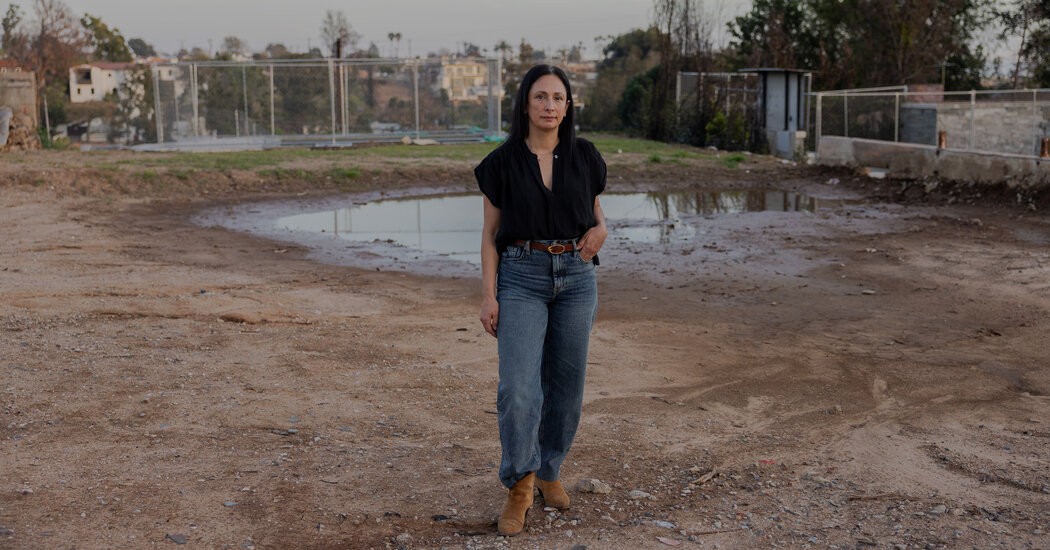
The aftermath of the 2025 Palisades fire is forcing residents and city officials to confront a harsh reality: rebuilding after climate-driven disasters requires significant, sustained financial investment. Allison Holdorff Polhill, like many in the devastated neighborhood, is reinvesting her life savings into a fire-resistant home, yet faces uncertainty about long-term community recovery.
The Scale of Loss and Financial Hurdles
The Palisades fire destroyed 97% of the neighborhood, leaving behind a landscape of vacant lots, isolated structures, and shattered lives. The average home value before the fire exceeded $3 million, but rebuilding is proving costly. Federal disaster aid is slow to arrive, and insurance companies are aggressively contesting payouts, creating further financial strain. The community has requested billions in congressional funding, but its approval remains uncertain.
This situation highlights a broader trend: disaster recovery is becoming increasingly expensive, and traditional aid mechanisms are inadequate. The lack of immediate and reliable funding leaves communities vulnerable to long-term decline, as rebuilding relies heavily on individual wealth and private insurance.
Local Resilience District Proposal
To address this, Los Angeles officials are exploring a novel approach: creating a climate disaster resilience district funded by local property tax revenue. This district would provide financial assistance to residents upgrading their homes with fire-resistant materials (roofing, windows, stucco). The proposal aims to ensure that the rebuilt community is better prepared for future fires.
The concept is promising, but its success depends on political will and the willingness of local taxpayers to prioritize long-term resilience over short-term gains. This also raises questions about equity : will lower-income residents be able to access these funds? Will the district’s scope expand to other vulnerable areas in the city?
The Larger Implications
The Palisades fire recovery is a test case for Los Angeles and other climate-vulnerable regions. It demonstrates that rebuilding after disasters isn’t just about physical reconstruction but about securing sustainable financial mechanisms for resilience.
If communities cannot afford to rebuild stronger, they risk becoming ghost towns, abandoned to the next inevitable fire.
The situation underscores the urgent need for proactive climate adaptation strategies, including dedicated funding streams, streamlined aid processes, and community-driven resilience planning. The future of the Palisades—and countless other fire-prone areas—depends on it.