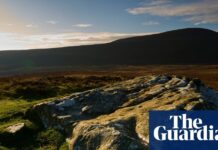
As Wales moves toward an ambitious goal of meeting 100% of its electricity consumption through renewable energy by 2035, a profound tension is emerging. The push for energy independence is clashing with the desire to protect the natural beauty and ecological integrity of the Welsh countryside.
This debate is not just about aesthetics; it is a fundamental disagreement over how a nation should transition to a green economy—and who should bear the visual and environmental cost of that transition.
The Scale of the Challenge
Recent policy shifts by the Welsh government have paved the way for much larger infrastructure projects. Under the Future Wales: The National Plan 2040, the government has prioritized renewable energy by designating pre-assessed areas for development. Crucially, this plan has moved away from rigid rules regarding turbine height and distance from homes, opting instead for case-by-case assessments.
This shift has led to a surge in applications—73 since the plan’s introduction—and a change in how decisions are made. Many large-scale schemes are now decided by Welsh ministers rather than local councils. While supporters argue this accelerates the transition, critics contend it strips local communities of their voice.
A Divided Public: Protection vs. Progress
The human impact of these plans is evident in the conflicting views of residents across Wales.
The Case for Conservation
For many living on the edge of moorlands and hillsides, the proposed developments feel like an “industrialization” of their homes.
– Landscape Alteration: Residents in Abercarn and Carmarthenshire have expressed heartbreak over the prospect of seeing quiet, natural landscapes replaced by “monsters”—turbines reaching heights of up to 230 metres (nearly twice the height of St Paul’s Cathedral).
– Ecological Concerns: There is significant anxiety regarding the impact on nesting birds, amphibians, and sensitive ecosystems.
– Heritage and Quality of Life: For those who moved to rural Wales for peace and seclusion, the presence of massive energy parks threatens both their mental well-being and the heritage they wish to pass on to future generations.
The Case for Renewables
On the other side of the debate, proponents argue that the scale of the crisis demands a scale of response.
– Energy Security: Supporters point out that modern life is entirely dependent on electricity. To reduce reliance on volatile global fossil fuel markets, Wales must harness its own wind resources.
– Economic Opportunity: Developers argue that these projects bring massive investment. For example, RES claims its proposed project could inject £26.3m into the Welsh economy and provide £9.5m in community benefits.
– Climate Necessity: Many see wind farms as a “majestic” and necessary evolution, much like the coal mines that once defined the Welsh landscape.
Political Perspectives
The political landscape reflects this complexity, with parties offering varying degrees of support and caution:
| Party | Stance on Onshore Wind |
|---|---|
| Welsh Labour | Seeks an “energy-independent Wales” that benefits host communities. |
| Plaid Cymru | Supports becoming a “world leader” in renewables but insists on a “just transition” with community ownership. |
| Wales Green Party | Supports renewables as the cheapest energy source but demands responsible development to protect ecosystems. |
| Welsh Conservatives | Supports renewables but proposes a moratorium on industrial-scale onshore wind and solar. |
| Reform Wales | Opposes the “industrialisation of the countryside,” prioritizing food production and habitats. |
| Liberal Democrats | Warns against a “free-for-all” that risks damaging rural landscapes and tourism. |
The Core Conflict: While 65% of the public generally supports onshore wind according to YouGov polling, the specific scale and location of new, massive turbines remain the primary flashpoints for community resistance.
Conclusion
The debate over wind farms in Wales highlights the difficult trade-off of the green transition: the urgent need for large-scale renewable infrastructure versus the preservation of local landscapes and biodiversity. The outcome of this tension will likely define the future of the Welsh countryside and the nation’s path to energy independence.