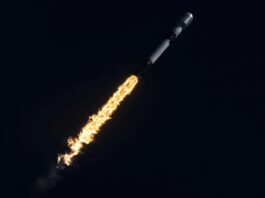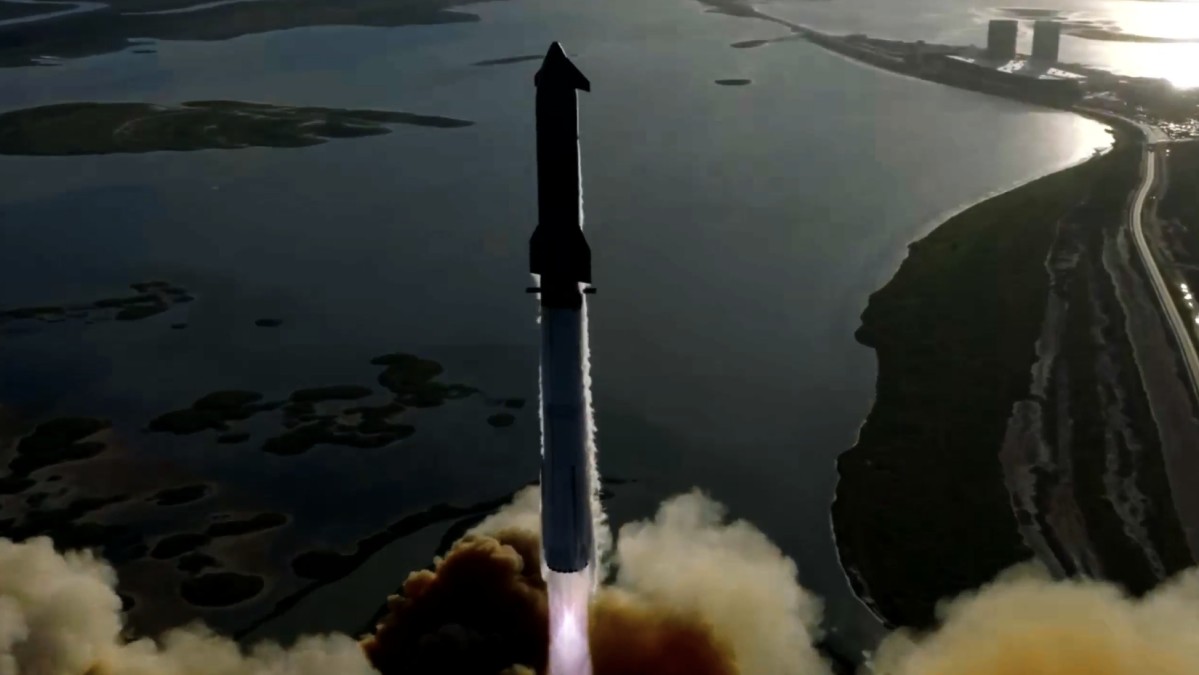
SpaceX’s recent successful test flight of its Starship rocket marks a pivotal moment, not just for the company but for the broader U.S. space program. After a meticulously planned hour-long flight culminating in a controlled splashdown in the Indian Ocean, engineers at SpaceX’s Starbase in Brownsville, Texas, erupted in cheers—a scene reminiscent of a victorious sports team rather than traditional NASA mission control. This success is a significant step toward achieving ambitious goals, including lunar exploration and ultimately, missions to Mars.
The Importance of Starship for NASA’s Moon Plans
This flight wasn’t just a technical achievement; it’s a key component of NASA’s plans to return to the Moon. The agency’s Artemis program, already facing delays and increasing competition from China’s space program, relies heavily on Starship. The rocket has a $4.2 billion contract to support these lunar missions. Successfully demonstrating Starship’s launch and return capabilities is vital to ensuring the Artemis program can proceed.
A History of Testing and Progress
The recent success follows a period of challenges for the Starship program. Earlier in the year, a nitrogen tank explosion damaged a prototype, contributing to a series of public relations setbacks. Prior to Monday’s test, Starship had only succeeded in seven out of eleven launch attempts. While a record of seven successes in twelve attempts may seem incremental, the data gleaned from each failure is being actively incorporated into the ongoing development of Starship, informing both the current (Version 2) and upcoming Version 3 designs, steadily pushing toward reliable and repeatable performance.
Repeated Success: A Growing Trend
The latest flight notably performed the same complex maneuvers twice in a row. This includes fuel booster ejections, hour-long flights, precise orbital maneuvers, successful integration testing with dummy Starlink satellites (which ran notably smoother this time), and controlled ocean splashdowns that demonstrate the potential to be landing pads. SpaceX is even testing its vehicles aggressively, as one company commentator stated on the livestream, “We’re kind of being mean to this Starship.” The vehicle was equipped with a wide variety of heat shield tiles, including experimental designs, precisely positioned to gather critical data on long-term performance.
Dynamic Maneuvers and Future Landing Capabilities
During its controlled return, the Starship upper stage (Ship 38) executed a “dynamic banking maneuver,” a crucial step toward landing on a landing tower. This maneuver, combined with SpaceX’s proven technology to “catch” a spacecraft with robotic arms, showcases a potential future capability. Not to be overshadowed, the booster itself also performed a controlled splashdown after initiating a 13-engine burn—highlighting the full system’s operational capability.
Challenges Remain and Future Prospects
While the recent success is a significant stride forward, challenges remain. The long-term viability of Starship Version 3 needs to be determined, as does the feasibility of NASA’s ambitious plan to seed as many as 40 floating fuel depots in lunar orbit, which will likely be supported by Starship. Clients considering SpaceX’s planned cargo runs to the Moon in 2028 and Mars in 2030 should be cautious about this optimistic timeline. However, with China aiming to establish a lunar base by 2030, Starship’s latest triumph provides NASA with a valuable edge in the emerging space race.
The successful demonstration of Starship’s capabilities moves NASA one step closer to realizing its lunar ambitions while underscoring the evolving landscape of space exploration.
This milestone represents a significant advancement in the pursuit of space exploration, potentially reshaping the future of lunar missions and beyond.