


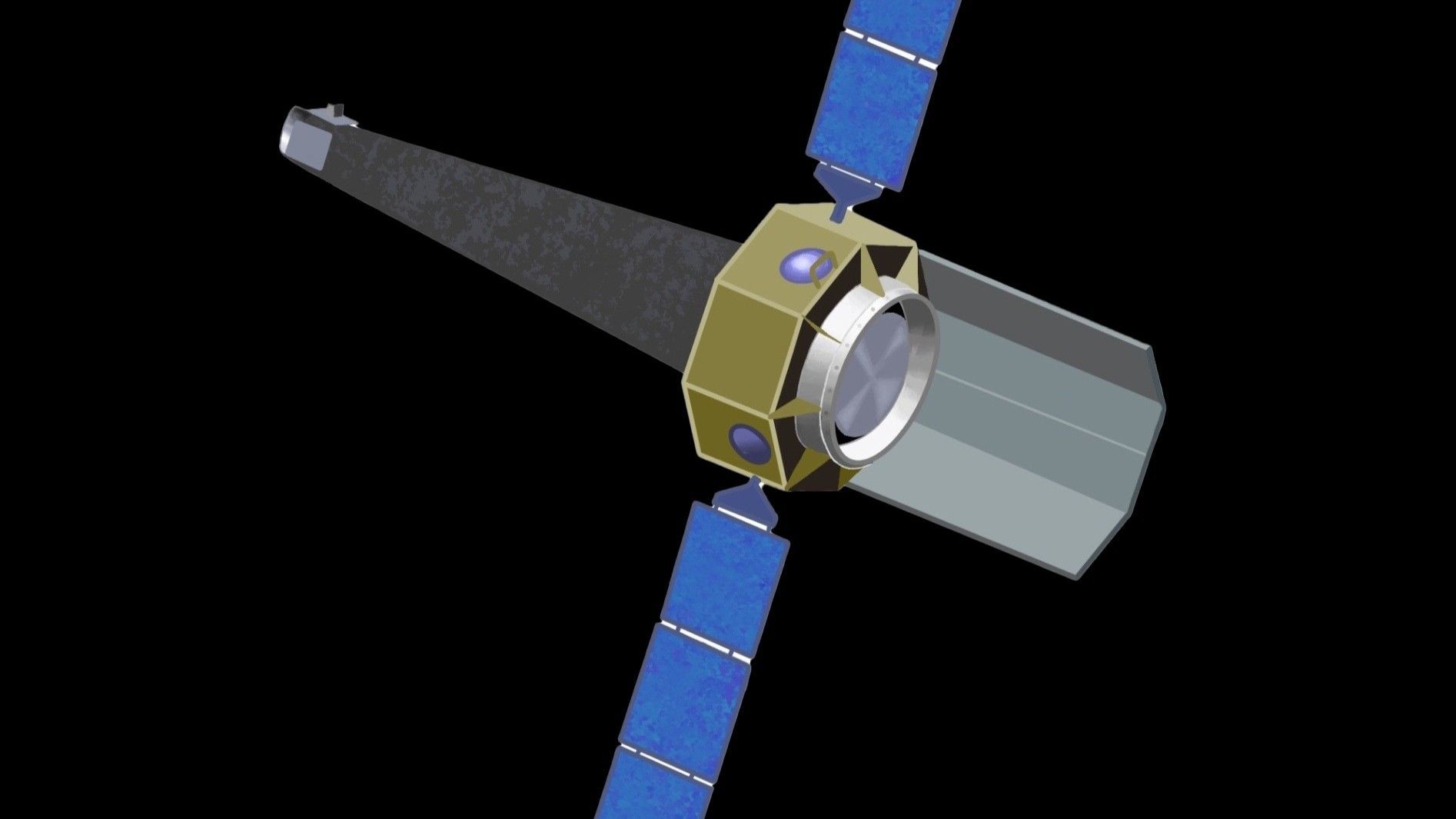
NASA’s ambitious plans for a cutting-edge X-ray telescope, the Advanced X-ray Imaging Satellite (AXIS), have been abruptly halted, with the project leader citing severe mismanagement within the agency as the primary cause. This cancellation marks a setback for astrophysics, potentially delaying the replacement of the aging Chandra observatory, a cornerstone of X-ray astronomy since 1999.
Budget Confusion and Workforce Losses
The decision to disqualify AXIS from further consideration came on March 9th, according to an internal email obtained by Space.com. Project leader Christopher Reynolds directly attributed the failure to “seismic shifts” within NASA, specifically citing disruptions at the Goddard Space Flight Center (GSFC) in Maryland, which managed the mission. These disruptions stemmed from workforce losses and operational instability throughout 2025, compounded by broader federal budget uncertainty and a government shutdown.
Reynolds emphasized that the decision was not based on the scientific merit of AXIS, which was one of two finalists in NASA’s Astrophysics Probe Explorer program alongside the PRIMA far-infrared observatory concept. Instead, the mission was undermined by internal chaos.
Key Personnel Departures and Lost Momentum
A critical factor was the early retirement of Will Zhang, a highly-regarded scientist specializing in space telescope mirror technology. Zhang’s departure, expedited by NASA’s Deferred Resignation Program (DRP), left the AXIS project without a key figure in its core enabling technology: single-crystal silicon mirror assemblies.
Over 20 GSFC personnel with essential expertise left the AXIS team due to funding uncertainty and the turbulent work environment, Reynolds reported. A seven-week government shutdown further stalled progress, leaving the team unable to recover lost time even with an extended deadline.
Management’s Role in the Cancellation
Internal sources at Goddard indicate that the project was deliberately set up to fail. According to Reynolds, management gave the team an impossible choice: submit a non-compliant cost and schedule report, or abandon the project altogether. NASA then rejected appeals to revise the design within budget, deeming such adjustments “unacceptable.”
One anonymous scientist stated that this behavior is highly unusual; first-phase proposals are routinely over budget, and adjustments are expected during the review process. Instead, the AXIS team was boxed in by leadership missteps.
“Internally, the general consensus is that this is 100% down to Goddard leadership mismanaging this … this has absolutely nothing to do with the AXIS team, the merit of AXIS as a concept in general, and especially not the Goddard scientists, engineers, and project managers who have put their everything into this mission and were held back by management at every step of the way.”
NASA’s Response
NASA maintains that the decision followed standard procedures. The agency confirmed AXIS was non-compliant with the 2023 Astrophysics Probe Explorer requirements but promised further opportunities for X-ray astrophysics in the coming weeks.
However, Reynolds remained defiant, calling the cancellation a “programmatic chaos” that undermined a scientifically valuable mission. Some within the community also suggest that AXIS was always a riskier, more challenging concept than its competitor, PRIMA, which may have contributed to its vulnerability amidst the agency’s internal turmoil.
The AXIS cancellation is a clear example of how agency mismanagement can derail even the most promising scientific endeavors. The project’s failure raises questions about NASA’s ability to effectively manage large-scale astrophysics missions amid budgetary instability and internal restructuring.


