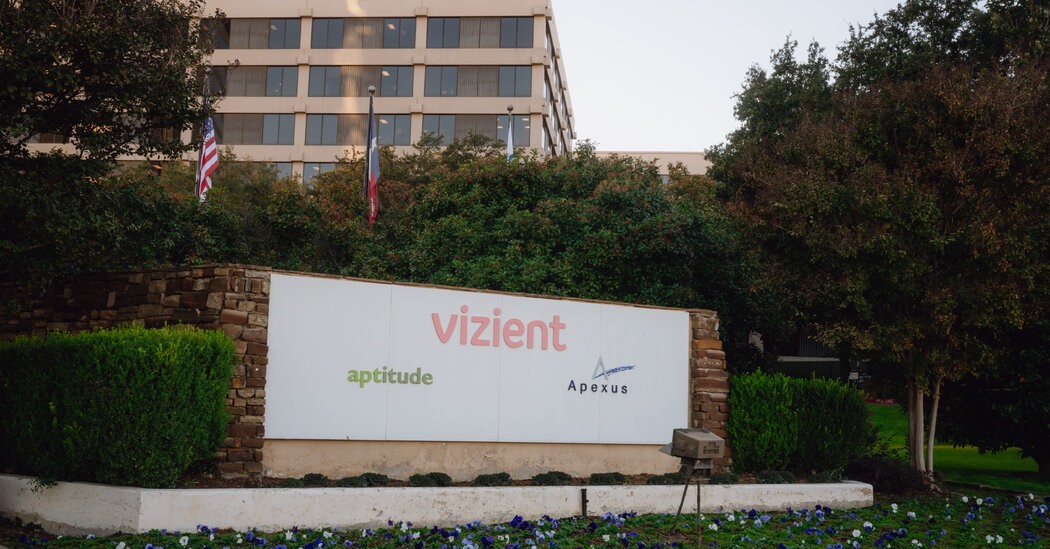
The U.S. Senate Health Committee is demanding transparency from Apexus, a private company profiting significantly from the 340B Drug Price Program, a federal initiative designed to lower medication costs for low-income patients. Senator Bill Cassidy (R-LA), chair of the committee and a practicing physician, initiated the inquiry with a formal letter last week, requesting details on Apexus’s financial gains, operational methods, and overall contribution to the program.
The 340B Program: From Safety Net to Billion-Dollar Industry
Originally launched in 1992, the 340B program was conceived to aid a limited number of non-profit hospitals serving vulnerable populations. The core mechanism allows these providers to purchase drugs at heavily discounted rates while charging standard prices to patients and insurers, pocketing the difference. Apexus acts as the central administrator, levying a fee on nearly every transaction within the program.
However, the program’s scope has expanded dramatically in recent years. More than half of U.S. non-profit hospitals now participate, sparking debate among legislators, pharmaceutical companies, and employers who argue that this growth has exacerbated rising healthcare costs. The original intent of supporting safety-net hospitals has blurred as the program has become a multi-billion dollar industry.
Apexus Under Scrutiny: Profit Margins and Program Integrity
Senator Cassidy’s letter highlights concerns that Apexus, as a for-profit entity, has directly benefited from the 340B program’s expansion. The central question is whether the revenue generated aligns with the program’s original objective: providing affordable medications to those in need.
A January 2025 report in The New York Times revealed that Apexus projected $227 million in revenue for 2022, with profit margins exceeding 80%. This level of profitability raises questions about how those funds are being allocated and whether they are reinvested in the intended beneficiaries.
The committee is seeking answers on where the program’s revenue ultimately lands, and whether Apexus’s business model aligns with the humanitarian goals that underpinned its creation. The investigation underscores the growing tension between private-sector profit and public health initiatives.
The Senate’s inquiry is a critical step toward ensuring that the 340B program fulfills its initial promise while curbing unintended financial incentives that could undermine its core mission.