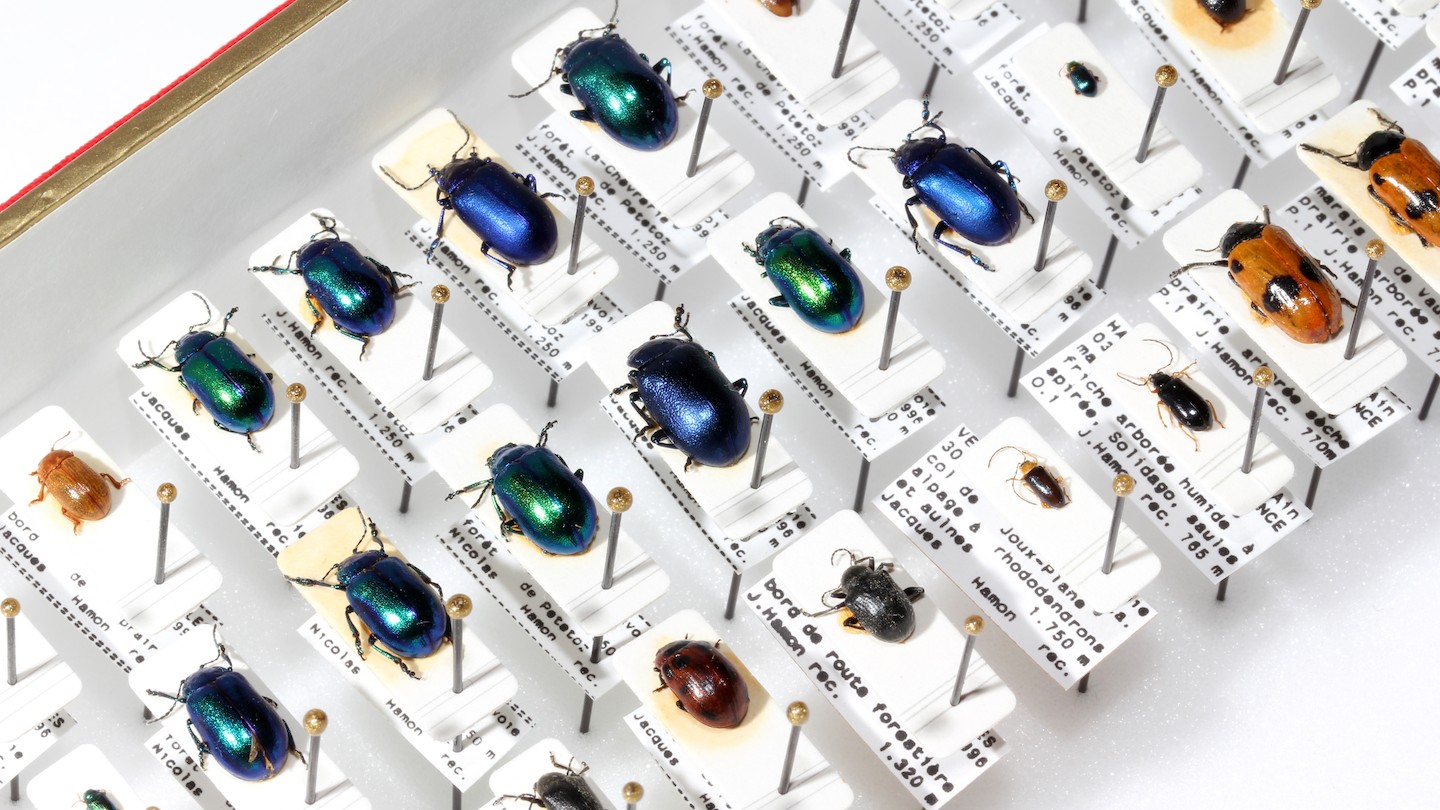
Understanding how scientists classify life on Earth requires a shared vocabulary. From single-celled organisms to complex animals, the natural world is organized into nested groups. This primer breaks down the key terms and concepts behind biological classification, also known as taxonomy.
The Hierarchy of Life
The foundation of taxonomy is a ranking system that arranges organisms based on shared characteristics. This begins with the broadest categories and narrows down to the most specific. The ranks, in descending order, are:
- Domain: The highest level. Life is currently divided into three domains: Archaea, Bacteria, and Eukarya.
- Kingdom: A larger grouping within a domain (e.g., Animalia, Plantae).
- Phylum: Groups organisms with similar body plans (e.g., Chordata for animals with spinal cords).
- Class: Further refines groupings based on shared traits (e.g., Mammalia for warm-blooded, fur-bearing animals).
- Order: A more specific grouping within a class (e.g., Primates for monkeys, apes, and humans).
- Family: Groups closely related genera (e.g., Hominidae for great apes and humans).
- Genus: Contains closely related species (e.g., Homo for modern and extinct humans).
- Species: The most specific rank; organisms that can interbreed and produce fertile offspring.
Why is this important? This structure isn’t just about naming things. It reflects evolutionary relationships. Organisms in the same genus share a more recent common ancestor than those in the same phylum.
Key Players and Concepts
Several terms are crucial for understanding how taxonomy works:
- Ancestor: An organism from which another evolved. Dinosaurs are ancestors of modern birds.
- Bacteria & Archaea: Single-celled organisms without a nucleus. Archaea often thrive in extreme environments.
- DNA: The blueprint of life. This molecule carries genetic instructions, dictating how cells function.
- Extinct: A species with no surviving members. Homo neanderthalensis (Neandertals) are an example.
- Homo: The genus including modern humans (Homo sapiens ) and their extinct relatives, like Homo erectus. These species were defined by large brains and tool use.
- Taxa (Taxon): The actual groupings used to classify organisms.
- Trait: A defining feature, whether physical or genetic.
Beyond Classification: Evolution and Technology
Taxonomy isn’t static. As new discoveries are made – through technology like genetic sequencing – classifications are refined. The study of taxonomy is driven by the understanding that life evolves, and relationships between species change over time.
“The Tree of Life isn’t a ladder, it’s a bush. Branches split, merge, and sometimes die off.”
This field relies on the work of biologists who study living things. The goal is to understand not just what organisms are, but how they came to be, and what their place is within the broader story of life on Earth.
Ultimately, taxonomy provides a framework for organizing the incredible diversity of life. By understanding how organisms are related, we can better understand the past, present, and future of our planet.