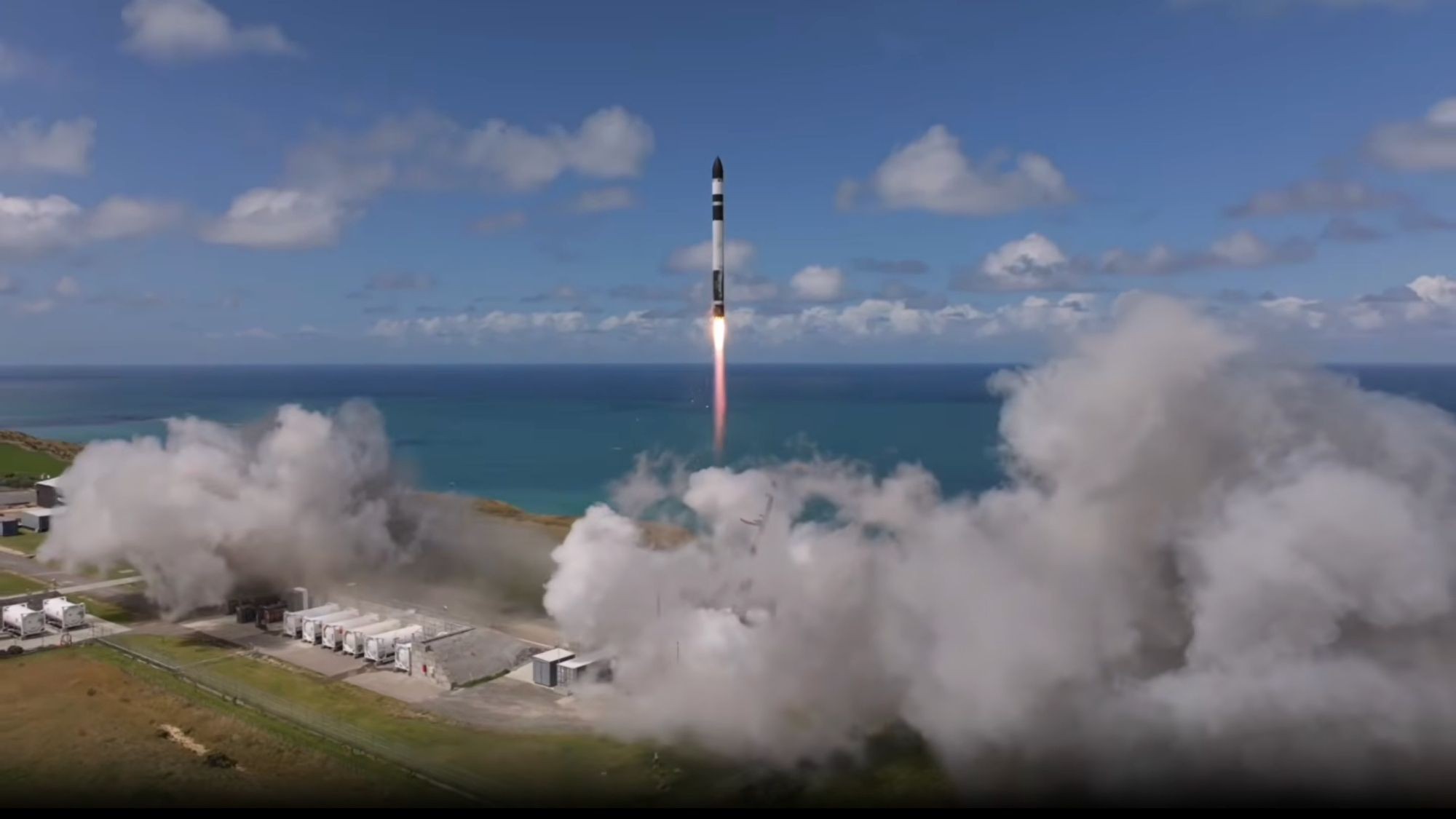
Rocket Lab has successfully launched the NEONSAT-1A satellite for South Korea’s KAIST, a key component in the nation’s growing Earth-observation capabilities. The launch, which took place from Rocket Lab’s New Zealand facility on January 29th (US time), marks a significant step forward for Korea’s disaster preparedness initiatives and represents Rocket Lab’s 81st mission overall.
Launch History & Challenges
The deployment follows a series of delays, including a last-second abort on December 15th, and an earlier postponement from the initial target of December 10th. These challenges underscore the complexities of space launches, even for established private operators like Rocket Lab. The satellite was launched at 8:21 PM EST (0121 GMT), after final checks were completed.
NEONSAT-1A: Purpose and Capabilities
NEONSAT-1A is an advanced Earth-observation satellite designed to provide high-resolution imagery for near-real-time disaster monitoring over the Korean peninsula. The satellite is equipped with an advanced optical camera and is part of a larger constellation program led by the Satellite Technology Research Center (SaTReC) at KAIST. This mission is a collaborative effort involving academic, industrial, and research institutions across Korea, with funding from the Ministry of Science and ICT.
Building Korea’s Space Infrastructure
This launch represents a strategic investment by the Korean government in its space infrastructure. NEONSAT-1A joins NEONSAT-1, launched in April 2024, as the second satellite in the program. The constellation aims to improve the nation’s ability to respond effectively to natural disasters, providing critical data for emergency management.
Rocket Lab’s Performance
Rocket Lab’s successful deployment of NEONSAT-1A into a 336-mile (540 kilometer) orbit highlights the company’s reliability as a commercial launch provider. This mission was the second for Rocket Lab in 2026, following a record-breaking 21 launches in 2025. The “kick stage” deployed the satellite approximately 54 minutes after liftoff.
The NEONSAT program will enable more timely and accurate disaster response, reducing the impact of severe weather events and other emergencies across the Korean peninsula.