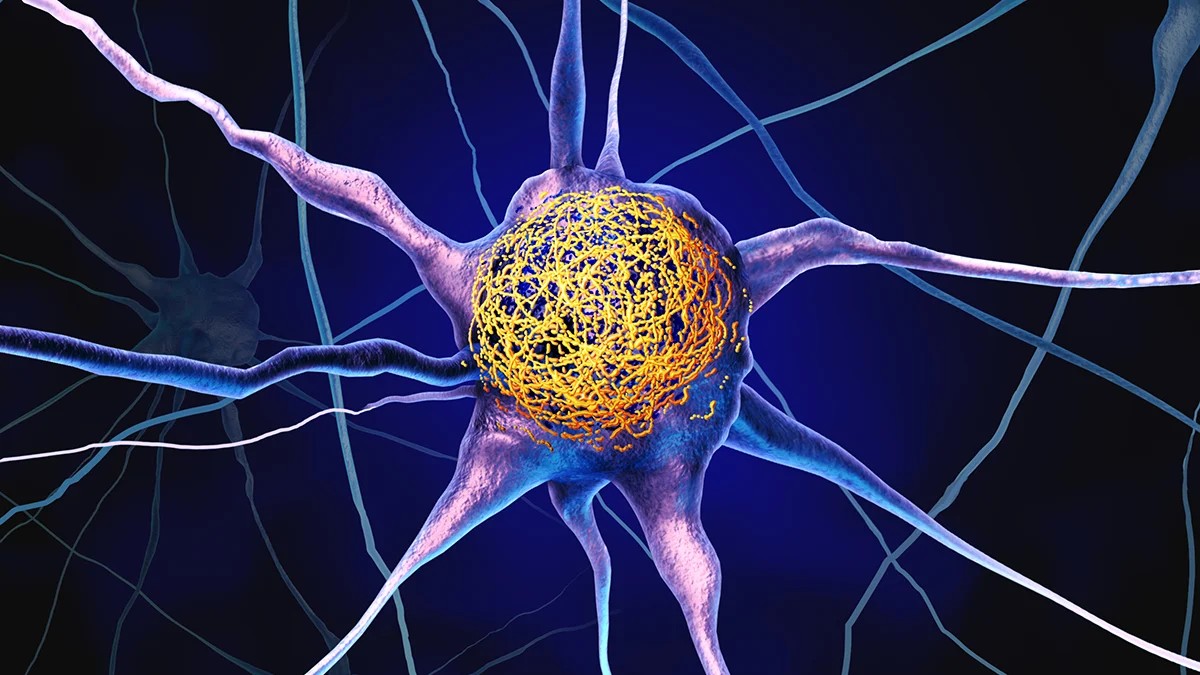
New research suggests that maintaining healthy levels of vitamin D during middle age could be a key factor in reducing the buildup of toxic proteins associated with Alzheimer’s disease.
An international study involving 793 adults has identified a significant link between vitamin D levels in midlife and a lower accumulation of tau protein tangles —a primary biological marker of neurodegeneration—measured years later.
The Connection Between Vitamin D and Tau Proteins
The study, which utilized a statistical analysis of blood samples and brain scans, tracked participants over a long period to observe how early-life health impacts later brain function.
How the study was conducted:
- Baseline Assessment: Researchers measured vitamin D levels in participants at the age of 39.
- Long-term Follow-up: Brain scans were conducted an average of 16 years later.
- Key Markers: Scientists looked for the presence of tau and amyloid-beta, two proteins that, when they malfunction, clog neurons and disrupt brain communication.
While the study found no significant relationship between vitamin D and amyloid-beta, there was a clear correlation with tau protein. Specifically, higher vitamin D levels in midlife were associated with lower amounts of tau tangles in both the general brain and the specific regions typically targeted by Alzheimer’s in its earliest stages.
Why This Matters: The “Window of Opportunity”
To understand the significance of this finding, it is important to distinguish between healthy protein function and disease pathology. In a healthy brain, tau and amyloid-beta are essential; however, when they begin to “clog” neurons, they trigger the cellular breakdown characteristic of Alzheimer’s.
The research highlights a critical concept in dementia prevention: the window of opportunity.
“Midlife is a time where risk factor modification can have a greater impact,” notes neuroscientist Martin David Mulligan of the University of Galway.
Because the researchers observed these protein changes in individuals who had not yet been diagnosed with dementia, the study focuses on the preclinical stage —the period where brain changes are occurring but symptoms may not yet be visible. This suggests that intervening with nutritional or lifestyle changes during midlife might offer a way to modify the disease trajectory before irreversible damage occurs.
Context: The Role of the Immune System
While this study shows an association rather than a direct cause-and-effect relationship, it builds upon existing scientific theories. Previous research indicates that vitamin D plays a vital role in fine-tuning the brain’s immune system.
A deficiency in vitamin D has been linked to “misbehaving” tau proteins in animal models, supporting the theory that adequate vitamin D levels may help the brain manage the proteins that lead to cognitive decline.
Looking Ahead
Despite these promising results, researchers urge caution. The study does not prove that vitamin D supplements will prevent Alzheimer’s, and further clinical trials are necessary to determine:
1. Whether long-term supplementation in healthy individuals is effective.
2. How vitamin D intake correlates directly with actual dementia diagnoses over several decades.
For now, the findings suggest that managing vitamin D levels—through sunlight exposure or diet—could be a practical, modifiable factor in long-term brain health.
Conclusion: This study identifies a vital link between midlife vitamin D levels and reduced tau protein buildup, suggesting that proactive nutritional management in middle age may serve as a potential strategy for reducing future dementia risk.