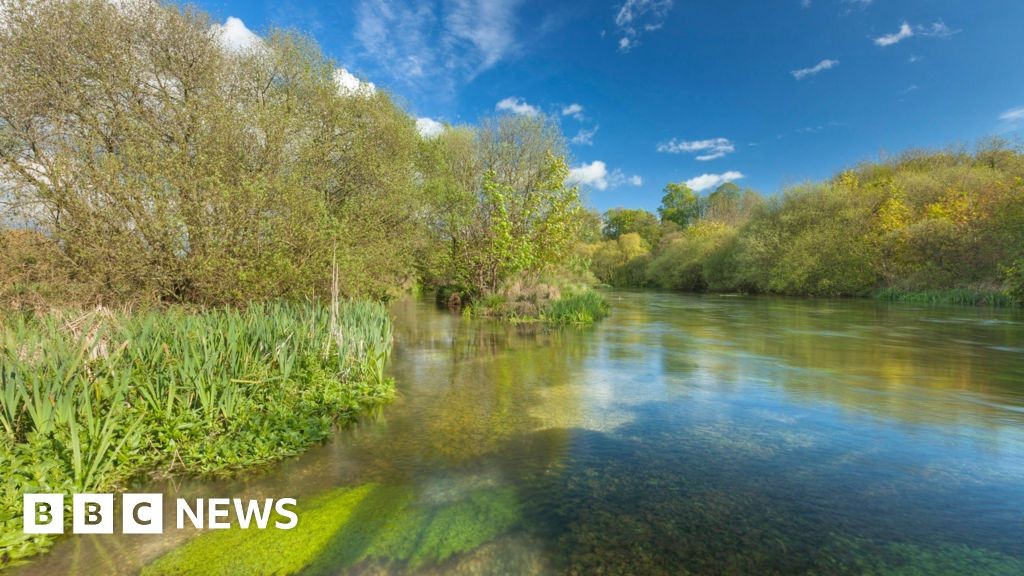
Hampshire, UK – Atlantic salmon populations in the River Itchen and River Meon are at risk due to sustained sewage spills, prompting urgent calls for action from local MP Danny Chambers and wildlife organizations. The situation highlights a wider environmental crisis affecting Britain’s unique chalk streams, which support exceptionally rare ecosystems.
Sewage Spills Reach Critical Levels
According to Winchester MP Danny Chambers, sewage has been continuously discharged into the River Itchen for over 400 hours at a single monitoring site near Headbourne Worthy. The River Meon has seen over 500 confirmed sewage dumps in 2022 alone. These figures raise serious concerns about the health of the rivers, which are crucial breeding grounds for Atlantic salmon.
The problem is not new. Years of underinvestment in infrastructure combined with increased rainfall due to climate change have overwhelmed aging sewer systems. This results in untreated sewage being released into waterways to prevent property flooding.
Atlantic Salmon Population Decline
The decline of Atlantic salmon is particularly alarming. In 2022, just 133 adult salmon returned to spawn in the River Itchen – the lowest number since monitoring began in 1990. Chalk stream salmon are genetically unique and play a vital role in the ecosystem, supporting diverse river life. Their disappearance would have cascading effects on the broader environment.
The reasons for this decline are complex: over-abstraction of water, habitat degradation, pollution, climate change, and pressures from marine environments all play a role. Sewage spills compound these existing threats, directly harming salmon eggs buried in fragile gravel nests (redds).
Government Response and Water Company Accountability
The Department for Environment, Food and Rural Affairs (Defra) has stated it is “reforming the water industry” through increased investment, banning unfair bonuses, and introducing legislation that could lead to jail time for obstructing investigations. Southern Water, the local water company, cited record rainfall in January as a factor contributing to sewage releases, claiming they were necessary to prevent flooding.
However, critics argue that these measures are insufficient given the scale of the problem. The long-term neglect of infrastructure and lax enforcement of environmental regulations have created a systemic failure.
Urgent Calls for Intervention
The Hampshire and Isle of Wight Wildlife Trust (HIWWT) has urged people to stay out of the River Itchen to protect vulnerable salmon eggs. MP Chambers has called for an “immediate package of support” to clean up the rivers.
“These habitats are exceptionally rare, rich in biodiversity, support unique flora and fauna, and are impossible to recreate or replace,” Chambers warned.
The situation demands not only immediate cleanup efforts but also a comprehensive overhaul of water management practices. Failure to act decisively will result in irreversible ecological damage to these irreplaceable ecosystems.
The ongoing sewage spills in Hampshire rivers represent a critical environmental challenge. Without substantial investment and stricter regulation, the future of Atlantic salmon and the health of Britain’s chalk streams remain uncertain.