For millions undergoing in vitro fertilization (IVF), the process is often described as an emotional rollercoaster—a cycle of hope followed by devastating disappointment. This is especially acute for women over 35, where declining egg quality significantly reduces success rates. However, new research presented at the Fertility 2026 conference suggests a potential solution to directly address this issue, offering a transformative step forward in reproductive technology.
The Challenge of Aging Eggs
Unlike sperm, which is continuously replenished, women are born with a finite number of eggs that age over time. This leads to a steep decline in IVF success rates as egg quality deteriorates. Recent UK clinic data shows that women under 35 have a 35% live birth rate per embryo transferred, while women aged 43-44 see a drastic drop to just 5%. Crucially, this is not about the woman’s age, but the age of the egg itself: donor eggs from younger women yield comparable success rates.
The underlying problem has been hard to pinpoint. Eggs remain dormant for decades, making it difficult to understand what degrades over time. Scientists have now identified a key component—a protein called Shugoshin 1—that acts as a crucial “glue” holding the egg’s chromosomes together.
The Role of Shugoshin 1
As eggs age, they produce less Shugoshin 1, causing chromosomes to fray and separate unevenly during fertilization. This results in embryos with an incorrect number of chromosomes, often leading to initial signs of pregnancy that ultimately fail. This is what drives the “horrible IVF rollercoaster,” where patients experience hope only to face heartbreak.
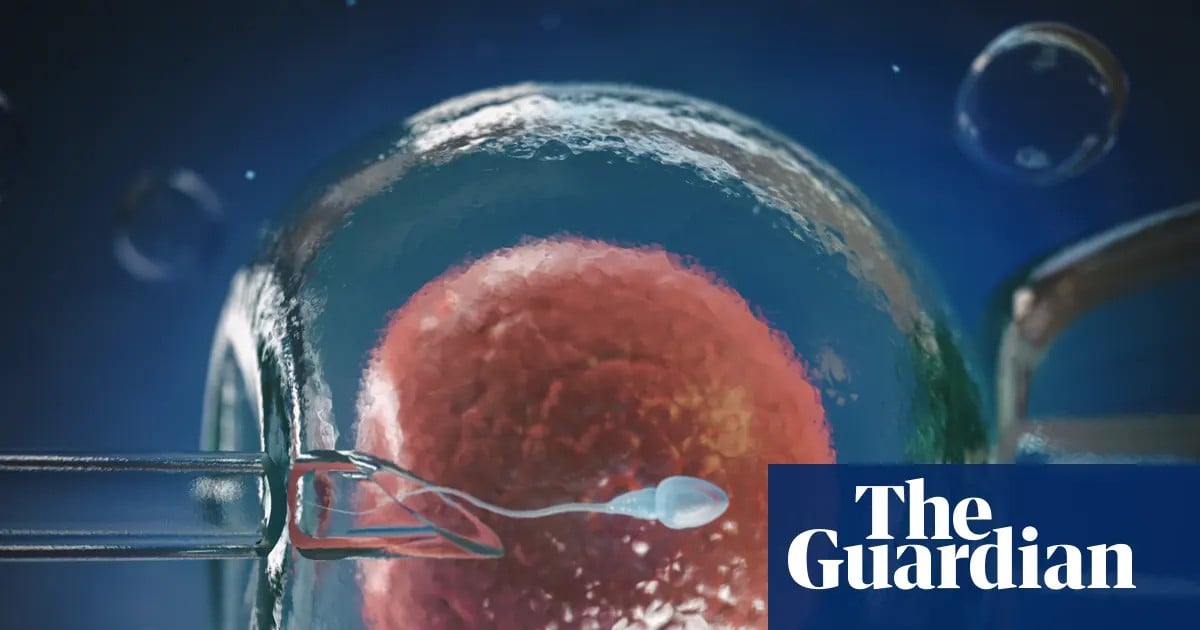
Researchers at the Max Planck Institute for Multidisciplinary Sciences in Göttingen, Germany, have demonstrated that supplementing aging eggs with Shugoshin 1 can reduce this chromosomal defect by almost half. This suggests a potential window during IVF treatment—between egg harvesting and fertilization—to rejuvenate eggs via microinjection.
What This Means for the Future of IVF
The research is still in its early stages and requires extensive testing to ensure safety and efficacy. Overhyped add-ons are common in the IVF industry, so skepticism is warranted. While Ovo Labs, the company behind the research, refuses to commit to a timeline, the potential impact is significant.
“Our aim is to really reduce the time to successful conception,” said Dr. Agata Zielinska, co-CEO of Ovo Labs. The ultimate goal is to make IVF more efficient, allowing more women to conceive within a single attempt.
“This would be a first-in-class solution for improving egg quality.” —Dr. Agata Zielinska
While years of further research are needed, this breakthrough offers a tangible path toward overcoming one of the most frustrating obstacles in female infertility. If successful, this could not only improve IVF success rates but also alleviate the emotional burden on countless couples navigating the challenging world of assisted reproduction.