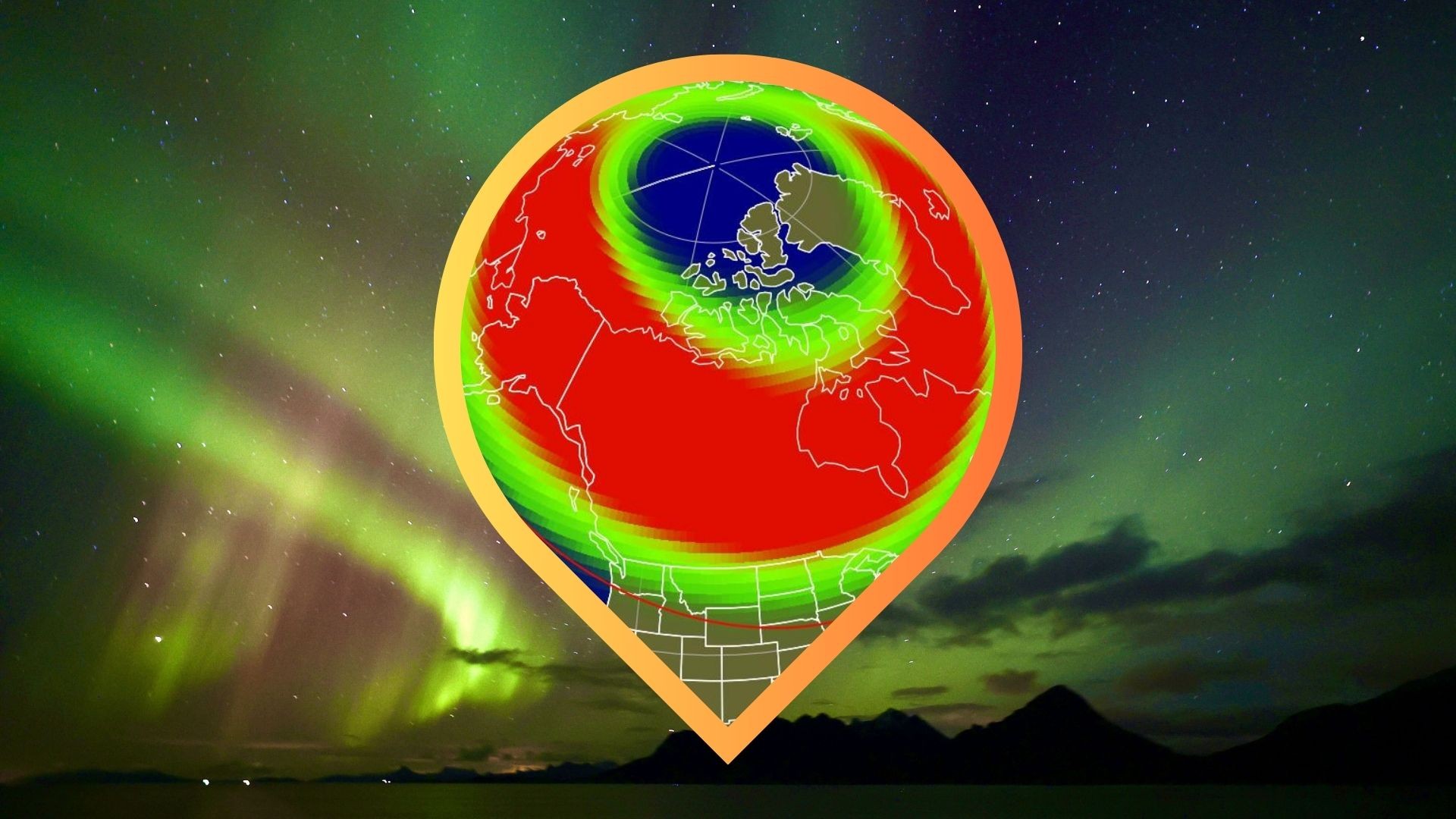
A series of coronal mass ejections (CMEs) and a high-speed solar wind stream are converging on Earth, creating conditions that could make the northern lights visible as far south as Illinois this weekend (March 20-22). The National Oceanic and Atmospheric Administration (NOAA) Space Weather Prediction Center has issued a moderate (G2) geomagnetic storm watch, with potential for stronger (G3) conditions on March 21.
What’s Driving the Show?
The current activity is a result of multiple factors: recent CMEs impacting Earth, combined with a stream of fast-moving solar wind originating from a coronal hole in the sun’s atmosphere. These combined forces are expected to trigger geomagnetic storms ranging from minor (G1) to moderate (G2) intensity, with a heightened chance of stronger storms on Thursday.
Why this matters: Geomagnetic storms aren’t just about pretty lights. They can disrupt radio communications, GPS systems, and even power grids in extreme cases. While this weekend’s forecast doesn’t predict catastrophic disruption, it underscores the connection between solar activity and our technological infrastructure.
Where to Look
Based on NOAA forecasts, the following 18 states have the highest probability of seeing auroras:
- Alaska
- North Dakota
- Minnesota
- Montana
- Washington
- Idaho
- Wisconsin
- South Dakota
- Michigan
- Maine
- Vermont
- New Hampshire
- Oregon
- Wyoming
- Iowa
- Nebraska
- New York
- Illinois
However, aurora visibility is unpredictable. Conditions could strengthen, pushing the lights farther south, or weaken, resulting in no display at all.
When to Look
The best viewing window is tonight (March 20) and Thursday (March 21), as geomagnetic activity is expected to peak during these times. Activity should gradually decrease by March 22, but chances may still exist.
Tips for Viewing:
- Dark Location: Find a spot away from city lights. The darker the sky, the better.
- Northern Horizon: Focus on the northern horizon.
- Patience: Aurora displays can be unpredictable. Allow your eyes to adjust to the darkness (20-30 minutes) for optimal visibility.
- Phone Camera: Use your phone’s camera to scan for faint glows, as they may be visible on the screen before the naked eye detects them.
Tools and Resources
To improve your chances, download a space weather app. Recommended options include:
- My Aurora Forecast & Alerts (iOS and Android)
- Space Weather Live (iOS and Android)
These apps provide real-time forecasts tailored to your location.
The current solar activity is a reminder of our planet’s dynamic relationship with the sun. While auroras are a spectacular result of this connection, understanding space weather is crucial for protecting our technology and infrastructure.