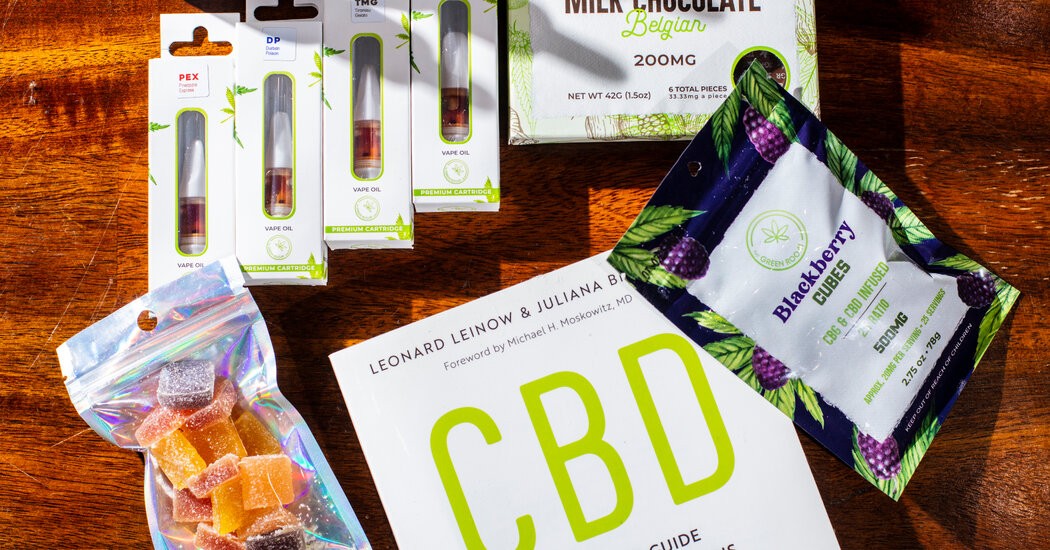
Millions of Americans who use cannabidiol (CBD) for conditions like arthritis, anxiety, and insomnia may soon encounter limited availability of many products. A provision in the recent U.S. government funding law will trigger nationwide bans on several CBD items—including creams, tinctures, gummies, and beverages—by November.
Some states are already acting ahead of the federal timeline. New Jersey, for example, will implement its own ban starting in April. This wave of restrictions marks the latest complication in ongoing efforts by lawmakers to regulate the expanding CBD market.
The Rise of CBD and Why Regulation Matters
CBD products, derived from hemp (a legal cannabis variety), are currently sold widely: gas stations, convenience stores, pet stores, spas, and online retailers all carry them. The industry has grown rapidly, with market projections estimating between $8.5 and $13 billion in sales by 2026.
The sudden clampdown arises from a technicality in the law. New regulations demand that hemp-derived products contain virtually no detectable tetrahydrocannabinol (THC), the psychoactive compound in cannabis. Industry experts predict this will effectively eliminate a large segment of the CBD market, as many products contain at least trace amounts of THC.
Backlash and Countermeasures
The restrictions have sparked immediate opposition from consumers, small businesses, manufacturers, and growers. A coalition of stakeholders—including unlikely political allies—is now pushing bipartisan legislation to roll back what they describe as an overreach. This includes scaling back the THC limits and clarifying what is considered an acceptable amount for commercial products.
Why this matters: The current law’s strict interpretation could stifle a significant portion of the legal hemp industry, forcing companies to reformulate or remove products entirely. This raises questions about the balance between consumer access, regulatory oversight, and economic viability in the rapidly evolving cannabis market.
The future of CBD sales remains uncertain as policymakers grapple with enforcement and potential amendments to the law. For now, consumers should expect reduced product availability and heightened scrutiny at the point of sale.