Researchers have discovered a previously unknown fragment of tectonic plate beneath Northern California, potentially increasing the region’s earthquake hazard. The discovery, detailed January 15 in Science, reveals a complex subsurface structure where the San Andreas Fault meets the Cascadia subduction zone—a region already known for intense geologic activity.
The Mystery of the Mendocino Triple Junction
The area known as the Mendocino triple junction is a collision point between three major sections of Earth’s crust: the North American, Pacific, and Gorda plates. The Pacific and North American plates grind past each other, while the smaller Gorda plate dives beneath the North American slab. This interaction creates one of the most active tectonic regions in the United States.
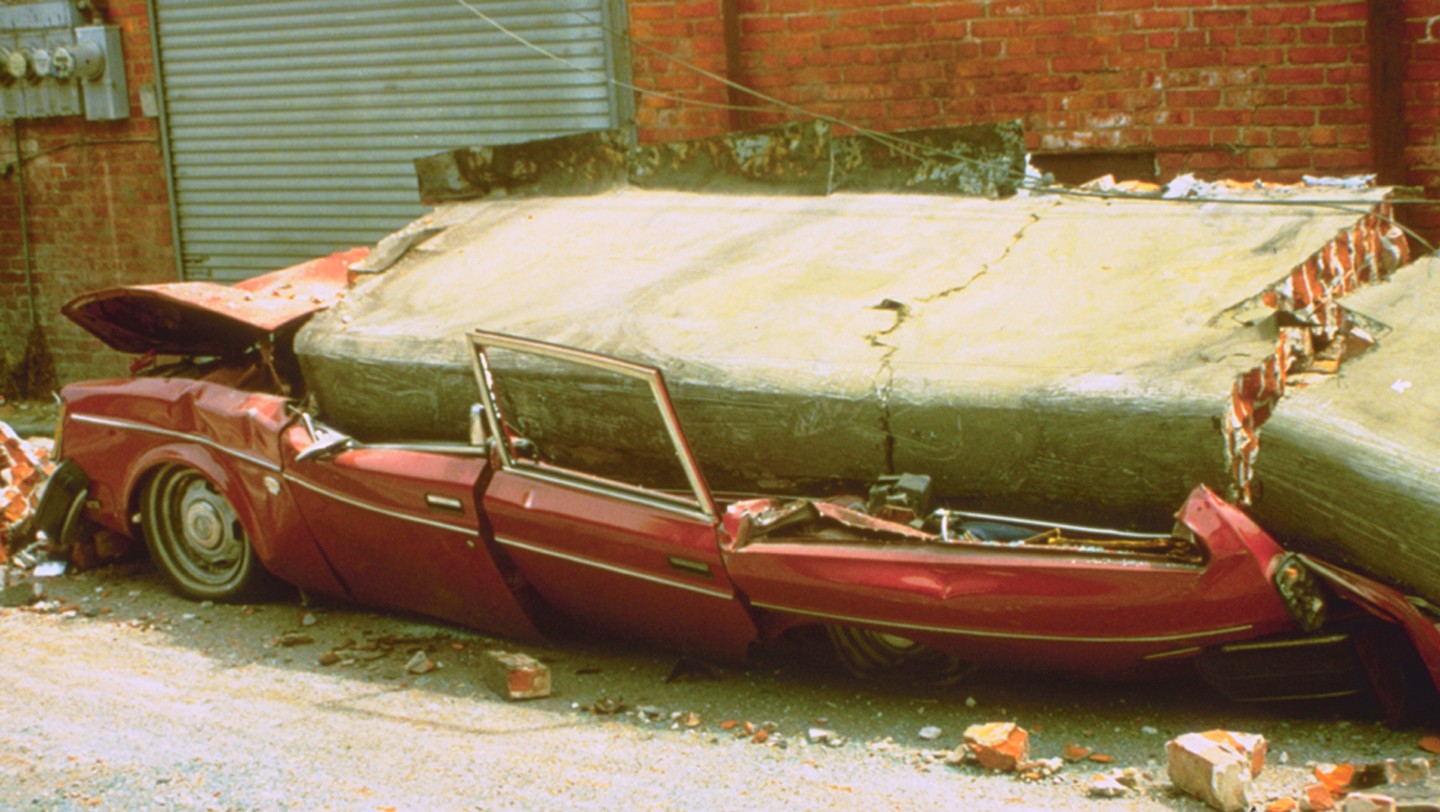
In 1992, a magnitude 7.2 earthquake struck Cape Mendocino, causing significant damage. What baffled scientists was the shallow depth of the quake’s epicenter—only 10 kilometers down—compared to the expected depth of the subducting Gorda plate. Theories suggested a “slab gap” or magma upwelling, but the true cause remained unclear.
Unveiling the Pioneer Fragment
The research team used swarms of tiny, nearly imperceptible earthquakes to map the subsurface structure. These microquakes, while undetectable to humans, create detectable seismic signals when stacked over time, revealing hidden fault lines and features. The analysis pinpointed a sideways-moving crustal fragment about 10 kilometers below the surface, which scientists have named the “Pioneer fragment”.
This fragment is believed to be a remnant of the ancient Farallon Plate, a larger plate that has mostly sunk into Earth’s mantle. Parts of it may have been trapped during subduction, essentially “stuck” to the underside of the North American plate. The Pioneer fragment represents a previously unrecognized plate boundary, meaning there is a nearly horizontal fault line between it and the overlying North American plate.
Beyond Triple Junctions: A Quadruple (and Quintuple?) Hazard
The discovery means the Mendocino triple junction may actually be more of a quadruple junction—or even more complicated. Researchers have also identified another buried fragment of crust beneath the southern end of the Cascadia subduction zone, a piece of the North American Plate being dragged down into the mantle by the sinking Gorda plate.
This hidden complexity highlights that traditional models of tectonic interactions may be incomplete. As geophysicist Matthew Herman of California State University, Bakersfield, notes, “We cannot understand the complete picture without understanding how Cascadia subduction interacts with the San Andreas Fault system.” The Pioneer fragment may present a unique earthquake hazard that differs from currently expected patterns.
The identification of these previously unknown subsurface structures will help scientists better prepare for seismic activity in Northern California, but it also underscores the unpredictable nature of plate tectonics. The region remains one of the most geologically active in the US, and ongoing research will be crucial for improving hazard assessments.