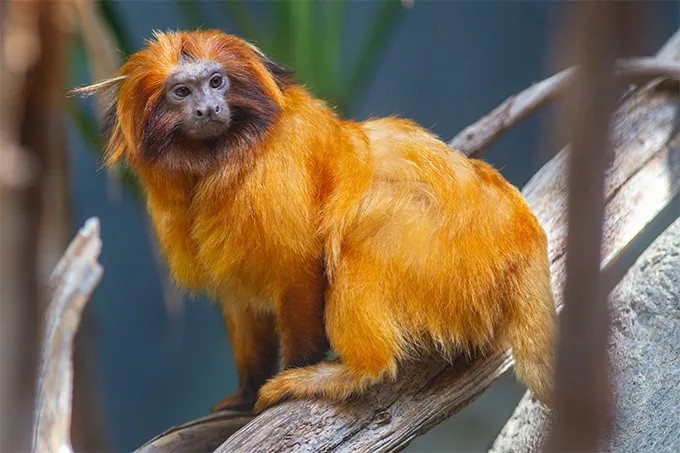
Brazilian tamarins, small primates native to the Atlantic Forest of South America, provide a valuable case study in successful species reintroduction. The Atlantic Forest, stretching along Brazil’s eastern coast and into neighboring countries like Argentina and Paraguay, is a biodiversity hotspot facing ongoing threats from deforestation and habitat loss. The conservation of species like tamarins demonstrates how targeted breeding programs and strategic reintroduction efforts can combat extinction.
The Challenge of Endangered Species
Many species worldwide face extinction due to habitat destruction, climate change, and other human-induced pressures. Conservation biologists define an endangered species as one at high risk of permanent loss. When a species reaches the point of extinction, it is gone forever, removing a unique link in the complex web of life.
Captive Breeding as a Lifeline
One crucial tool in preventing extinction is captive breeding. This involves raising animals in protected environments, often zoos or specialized facilities, with the explicit goal of increasing their numbers and eventually returning them to the wild. For tamarins, this approach has been particularly effective. Researchers carefully manage breeding to maintain genetic diversity within the captive population, ensuring that reintroduced individuals are not inbred and can thrive in their natural habitat.
Reintroduction: More Than Just Release
Simply releasing captive-bred animals isn’t enough. Successful reintroduction requires careful preparation. This includes development of appropriate survival skills; ensuring young tamarins learn to forage for insects, navigate the forest canopy, and avoid predators. Conservation efforts also include monitoring reintroduced populations through periodic censuses (official population counts) to track their progress.
The Importance of Habitat Conservation
Even with successful breeding and reintroduction, the long-term survival of a species depends on protecting its habitat. The Atlantic Forest is under constant pressure from agriculture, logging, and urbanization. Without sustained conservation efforts to preserve and restore the forest, reintroduced tamarins (and other species) will face the same threats that drove them to near extinction in the first place.
The success of tamarin reintroduction highlights a critical lesson: conservation is not just about saving individual species, but about protecting entire ecosystems.
Ultimately, the story of Brazilian tamarins is a hopeful one, but also a reminder that active intervention is necessary to reverse the tide of biodiversity loss. Continued investment in both captive breeding and habitat preservation is essential to ensure these primates, and countless other species, have a future in the wild.