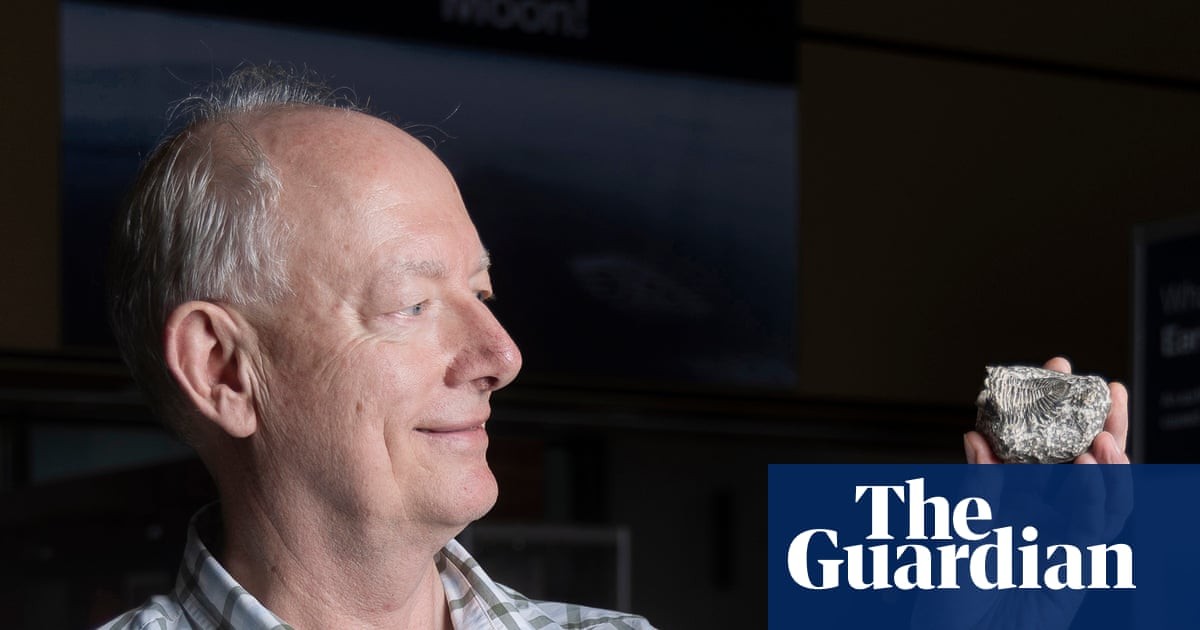
Craig Munns, now 65, embodies a growing trend of individuals redefining career paths later in life. After decades spent in electronics, computing, sales, and even library work, Munns pursued a long-held ambition: earning a palaeontology degree at 62 from the University of New England. He now applies his expertise at Geoscience Australia, but his true passion lies in uncovering ancient life from overlooked rock samples.
From Electronics to Ancient Life
Munns’ journey wasn’t driven by necessity, but by intellectual curiosity. Dissatisfied with leaving school and starting as an electronics trainee, he always felt a pull toward formal education. The decision to enroll wasn’t about financial gain, but rather about “giving it a try.” This mindset allowed him to transition from a comfortable business owner to a student, then a government researcher, despite the initial salary reduction.
The Value of Flexibility
His current research focuses on analysing drill cores from mineral exploration sites near Alice Springs. Munns isn’t interested in the dinosaurs that capture public imagination; instead, he studies invertebrates like trilobites – flexible, adaptable creatures that thrived for millions of years. “Their body style is flexible,” he explains, mirroring his own approach to life.
This flexibility extends to his career changes. After selling his computer consultancy, he embraced a lower-paying library job while studying, valuing the wider social exposure and the opportunity to help others. He even ran children’s storytimes and assisted non-English speakers with translation services.
Overcoming Setbacks
Munns’ path hasn’t been without its challenges. He completed his research amidst personal tragedies, including the deaths of both parents, the Covid-19 pandemic, and a cycling accident that left him with broken arms. Yet, his perspective remains undeterred. He rejects the notion of retirement, viewing it as a cultural expectation rather than a logical life stage.
“I don’t understand this retirement stuff… Why would I do that?”
Munns isn’t interested in simply preserving the past; he wants to understand how life adapts to change. This makes him a unique figure in palaeontology, less concerned with museum pieces and more focused on the evolutionary processes that continue to shape the world around us.
His story is a reminder that meaningful work isn’t defined by age or tradition, but by a relentless pursuit of curiosity and adaptability.