


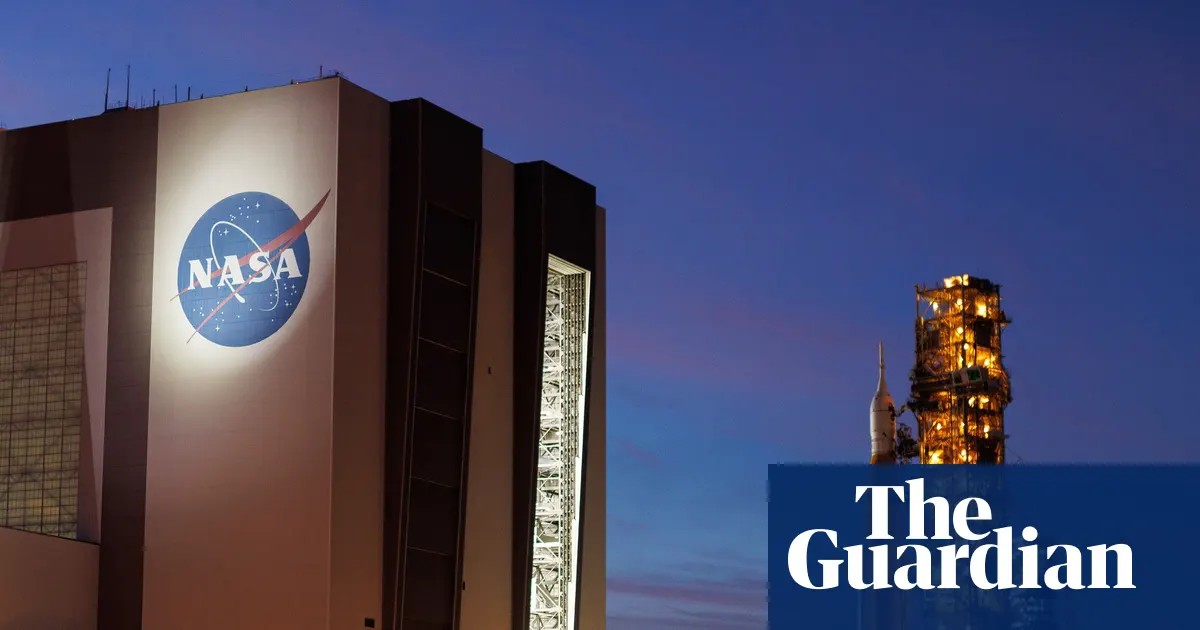
NASA’s recent announcement of a revised timeline for the Artemis program – pushing the first human lunar landing to 2028 – has sent ripples through the agency’s network of private contractors. While the delay represents a setback, companies like Lunar Outpost are framing it as an opportunity to refine technologies critical for sustained lunar presence.
Adapting to a New Schedule
The shift to Artemis IV as the target mission for the first crewed moon landing comes after years of technical hurdles and budget overruns plagued the original Artemis plans. NASA’s decision to recalibrate reflects a strategic move towards a more sustainable approach, prioritizing long-term feasibility over an accelerated, potentially unstable timeline. This adjustment directly impacts commercial partners who have been building hardware and software in anticipation of earlier missions.
Lunar Outpost, a key player in the Artemis ecosystem, exemplifies this dynamic. CEO Justin Cyrus views the delay as a chance to optimize the company’s Mobile Autonomous Prospecting Platform (Mapp) rover, ensuring it’s fully prepared for deployment alongside the Artemis IV astronauts.
“Humans will be back on the moon for the first time in over 50 years and one of our rovers will be alongside, which is a pretty awesome feeling,” Cyrus said.
Resilience in the Face of Setbacks
The space industry is no stranger to volatility, and Lunar Outpost’s story illustrates the resilience needed to thrive within it. Founded in 2017, the company has positioned itself as a vital provider of robotic exploration technology, with plans for rovers on both the moon and Mars. Their largest project, the Eagle lunar terrain vehicle, is already in development, though smaller programs have faced unexpected challenges.
Notably, Lunar Outpost’s Mapp rover successfully landed on the moon in March aboard Intuitive Machines’ Athena lander, only to become trapped after the spacecraft tipped over during landing. Despite the setback, the rover remained functional, sending data back to headquarters before its battery died.
“It got to the moon, it survived the tough landing, and unfortunately, we just couldn’t get it out of the garage,” Cyrus admitted. “It’s a point of pride that we survived a tough landing, but at the same time it makes it hurt just a little bit worse.”
The New Era of Public-Private Partnerships
The incident underscores the inherent risks of space exploration and the importance of redundancy. Lunar Outpost has moved forward, focusing on projects such as oxygen- and power-generating systems for lunar habitats. The company’s pragmatic approach – prioritizing internal momentum over external volatility – is a key strategy for navigating the unpredictable nature of space missions.
The Artemis reset is not merely a delay, but a sign that NASA is embracing a more realistic, long-term vision for lunar exploration. Private contractors like Lunar Outpost are adapting, positioning themselves to capitalize on the evolving landscape. With five additional missions already contracted, the company expects continued growth as NASA’s program progresses.
In the end, the future of lunar exploration depends on this partnership between government agencies and private enterprise. The delays may be frustrating, but they ultimately pave the way for a more sustainable and ambitious return to the moon.


