The success of wildlife conservation increasingly hinges on understanding individual animal behavior, not just population numbers. Scientists are discovering that personality traits significantly impact a reintroduced species’ ability to thrive in the wild. This realization is shifting conservation strategies away from solely genetic or demographic approaches toward more nuanced, behaviorally-informed interventions.
The Case of Naruto the Peccary
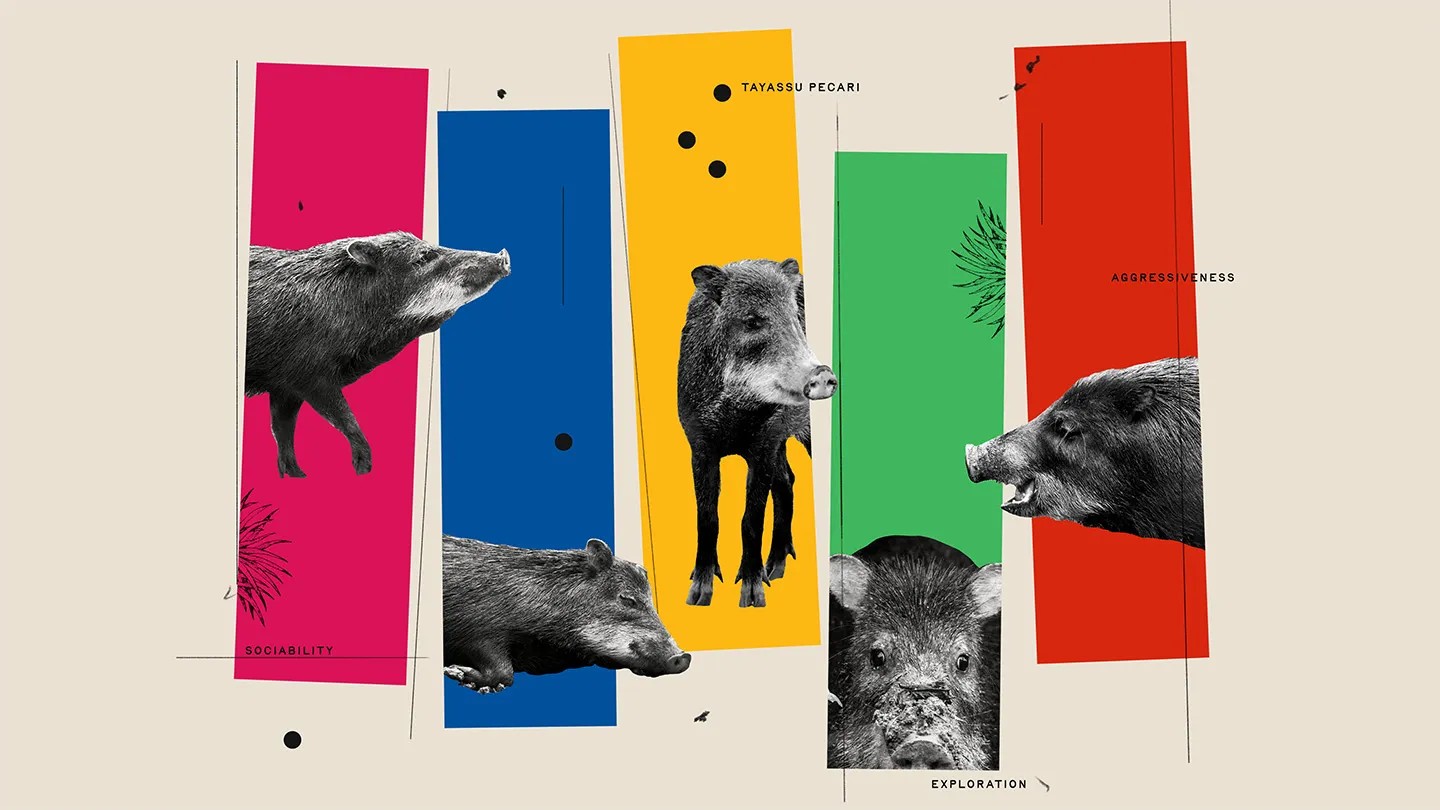
A study in Brazil illustrates this point vividly. Researchers tracked a group of white-lipped peccaries destined for reintroduction, ranking them based on boldness and sociability. One peccary, nicknamed “Naruto” after a popular manga character, exhibited a loner personality. While his behavior initially helped the group disperse, he was later found fatally injured, likely due to predation. This case highlights that personality can be both beneficial and detrimental ; a mix of traits is often necessary for long-term population success.
The Evolution of Behavioral Ecology
For decades, animal behavior research focused on assuming consistent behavioral patterns within a species, driven by natural selection. However, groundbreaking papers in 2004 challenged this view, proposing that consistent behavioral variation among individuals could be evolutionarily advantageous. This shift in thinking fueled a surge in personality studies across diverse species, from mammals to invertebrates.
Why Personality Matters in Conservation
Reintroduction efforts often fail due to behavioral issues. A review of 293 case studies revealed that behavioral problems account for over 27% of reintroduction failures, with movement and mating being the biggest challenges. Boldness, for example, can be an asset in some cases (like island foxes, where predators are absent) but a liability in others (like swift foxes, where predators are present).
Beyond Testing: Applying Personality Insights
While ideal, personality testing isn’t always feasible. Wildlife managers dealing with limited resources and urgent reintroductions must rely on practical assessments. A recent example involves relocating wolves to Colorado, where officials had limited behavioral data before the release, leading to some mortality. Despite these challenges, recognizing that individual traits influence survival is becoming more common.
The Future of Conservation: Integrating Behavior
The field is evolving to incorporate behavioral insights systematically. Conservationists studying black-fronted piping guans in Brazil use personality assessments akin to human psychological tests to identify traits like sociability and predator avoidance. They also recognize that habitat modifications, like building bridges for tamarins, can inadvertently filter populations based on boldness, shaping the future genetic makeup of the species.
Ultimately, effective conservation requires acknowledging that animals aren’t just numbers in a population—they are individuals with distinct behaviors that determine their fate.