


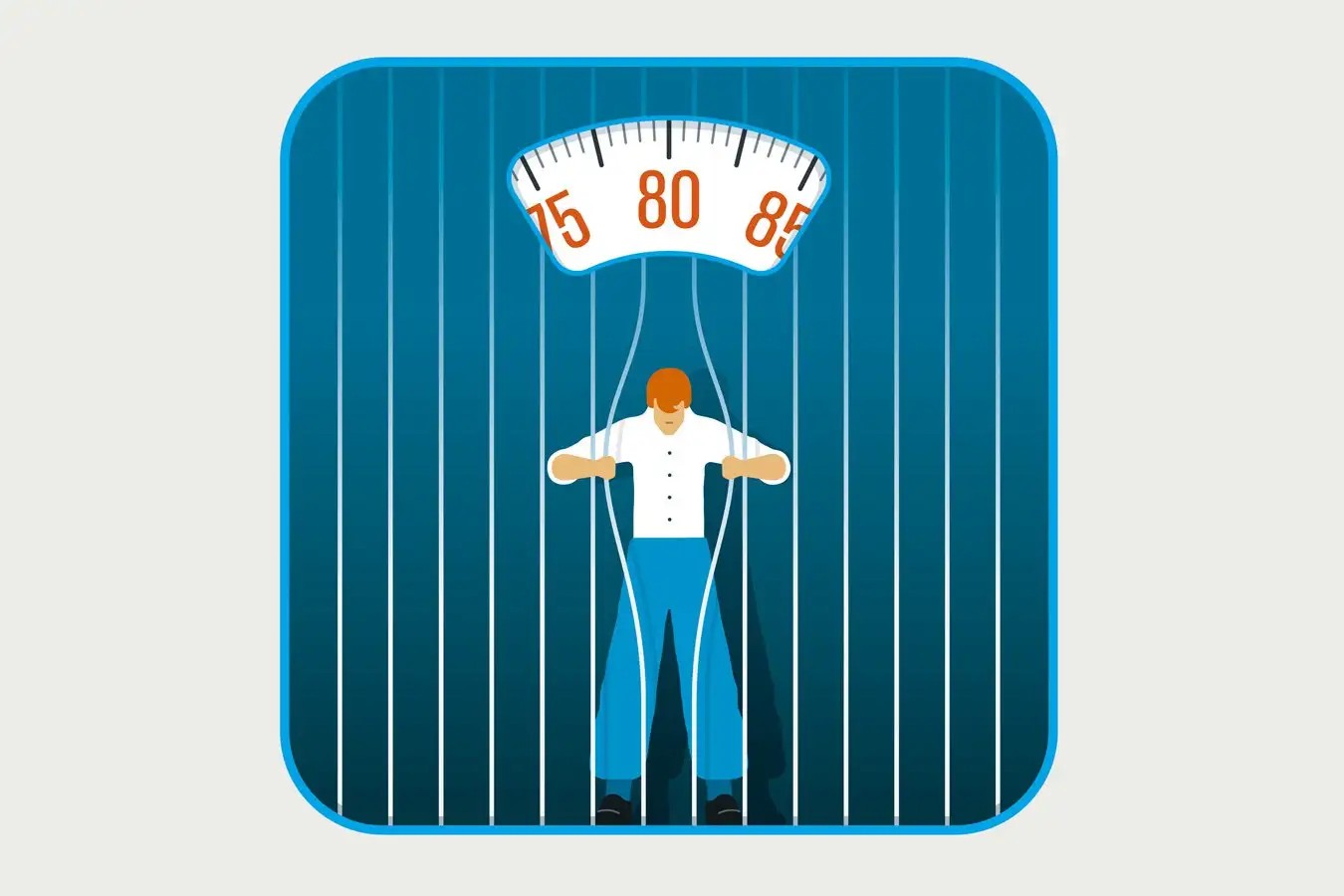
For decades, the Body Mass Index (BMI) has been a cornerstone of healthcare, used to categorize individuals as underweight, healthy weight, overweight, or obese. But a growing consensus among medical professionals is challenging this long-held practice, revealing that BMI is a deeply flawed measure of health, often mislabeling individuals and influencing access to critical medical care.
The Origins of a Problematic Metric
Developed in the early 19th century by mathematician Adolphe Quetelet, BMI was originally a statistical tool for tracking population trends, not a diagnostic instrument for individuals. It gained traction in the 1970s as obesity rates rose, and by 1997, the World Health Organization adopted it as a global standard. Its popularity stemmed from its simplicity: weight divided by height squared provides a quick, cheap estimate of body fat. However, this convenience came at the cost of accuracy.
The Consequences of Inaccurate Measurement
The reliance on BMI has real-world consequences. Access to essential medical procedures – including knee surgeries, fertility treatments, and obesity medications – is often determined by BMI cutoffs. Individuals outside the “acceptable” range may be denied care, while those with “normal” BMIs but underlying health risks can be overlooked.
The issue isn’t just theoretical. Many healthy, athletic individuals are misclassified as overweight, while others with dangerous levels of visceral fat slip through the cracks. BMI fails to distinguish between muscle and fat, ignores where fat is stored (abdominal fat is more dangerous than subcutaneous fat), and doesn’t account for variations in body composition across ethnicities.
The Science Behind the Shift
Researchers like Francesco Rubino at King’s College London have been vocal in their criticism. “There is no logic…to using BMI to define a disease,” he states. Studies have repeatedly shown that BMI is a poor predictor of health outcomes, particularly when compared to more accurate measures such as waist circumference, waist-to-hip ratio, or visceral fat assessment.
Beyond BMI: Better Measures of Health
The movement away from BMI is gaining momentum. Experts advocate for incorporating additional metrics:
- Waist Circumference: Measures abdominal fat, a stronger predictor of heart disease and diabetes.
- Waist-to-Hip Ratio: Provides a more nuanced assessment of body composition.
- Weight-Adjusted Waist Index (WWI): Combines waist circumference with weight for a more accurate risk assessment.
- Body Roundness Index (BRI): A more sophisticated model that considers body geometry.
Blood tests to evaluate liver function, triglycerides, and HDL cholesterol levels also provide valuable insights.
The Impact on Ethnic Groups
The flaws of BMI are amplified when applied across different ethnic groups. The original calculation was based on white populations, and fails to account for genetic and physiological differences in other groups. For example, South Asian, Chinese, and Black individuals are at higher risk of diabetes and heart disease at lower BMIs than white people. This has led some countries, like India, to adopt lower BMI thresholds and incorporate additional measures into their health assessments.
The Future of Obesity Assessment
The shift away from BMI is not just a scientific debate; it’s a matter of equity and access to healthcare. As new weight-loss drugs like Mounjaro and Wegovy become more prevalent, reliance on BMI to determine eligibility raises ethical concerns. A more nuanced approach to obesity assessment is essential, one that considers individual factors, fat distribution, and metabolic health rather than a single, flawed number.
The medical community is finally recognizing that health is far more complex than a calculation can capture. By moving beyond BMI, we can ensure more accurate diagnoses, equitable care, and a healthier future for all.


