Neanderthals weren’t just skilled hunters and toolmakers; they also possessed a surprising degree of medical knowledge. New research confirms that these extinct hominins likely used birch tar – a sticky substance derived from tree bark – as an antiseptic to treat wounds. The findings bolster growing evidence that Neanderthals actively sought out medicinal plants and materials to combat infections and manage injuries.
Birch Tar’s Unexpected Properties
Birch tar has long been recognized as an adhesive, notably used to secure stone tools to wooden shafts. However, modern experiments demonstrate that this substance also exhibits potent antibiotic properties regardless of how it’s produced. Researchers at the University of Oxford tested various methods for creating birch tar, mirroring techniques Neanderthals could have employed.
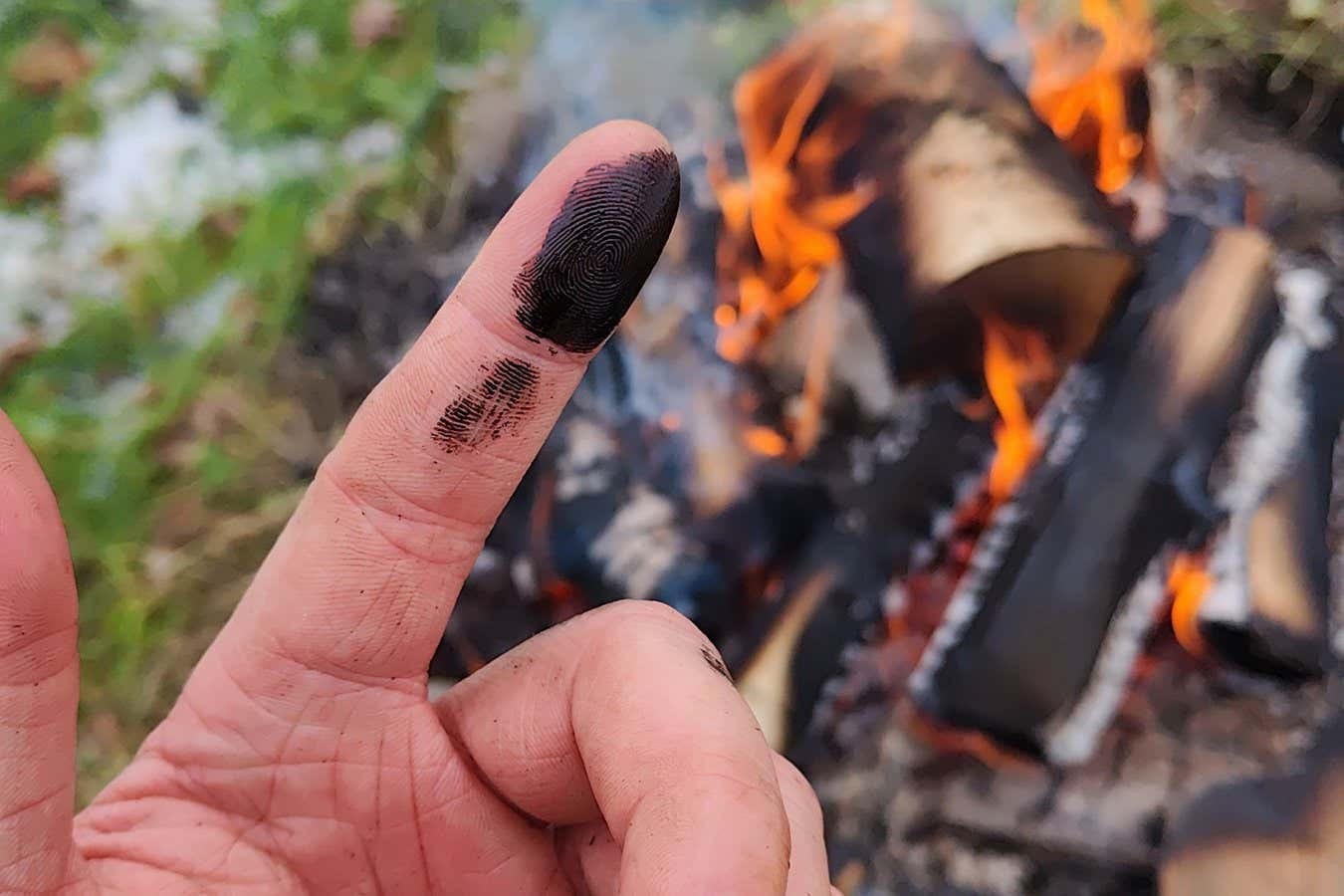
The team collected birch bark and used three methods: a raised structure fire, a simple condensation method under a stone, and a modern Mi’kmaq-style sealed tin heating process. All but one sample proved effective against Staphylococcus aureus, a common bacterium in skin infections. The most potent tar came from silver birch using the raised structure method.
Indigenous Knowledge Confirms Ancient Practice
This isn’t merely speculation. Indigenous communities, like the Mi’kmaq of eastern Canada, have historically used birch tar – known as maskwio’mi – as a broad-spectrum antibiotic for centuries. This traditional knowledge aligns with the experimental results, suggesting Neanderthals may have independently discovered similar medicinal applications.
Why This Matters: Beyond Just Glue
The discovery challenges the narrow view of Neanderthals as primitive survivalists. While adhesive use is clear, reducing birch tar to only this function ignores its broader potential. As researcher Tjaark Siemssen notes, “Reducing the use case to just one single thing… is potentially quite misleading.” Neanderthals likely understood and exploited the multi-faceted benefits of their environment, including its medicinal properties.
Caveats and Future Research
Some researchers, like Karen Hardy at the University of Glasgow, question whether Neanderthals deliberately manufactured birch tar specifically for its medicinal value. Obtaining it is a complex process, and other readily available plants possess natural medicinal properties without requiring such extensive preparation.
However, previous findings support the idea of Neanderthal self-medication. One individual with a dental abscess appears to have consumed plants with painkilling and anti-inflammatory effects, while evidence suggests they also ate yarrow and chamomile – plants with no nutritional value but known medicinal uses.
In conclusion, the study solidifies the notion that Neanderthals weren’t simply reacting to illness, but proactively seeking remedies. Their use of birch tar as a potential antibiotic highlights a sophisticated understanding of natural resources and a level of medical ingenuity previously underestimated.