


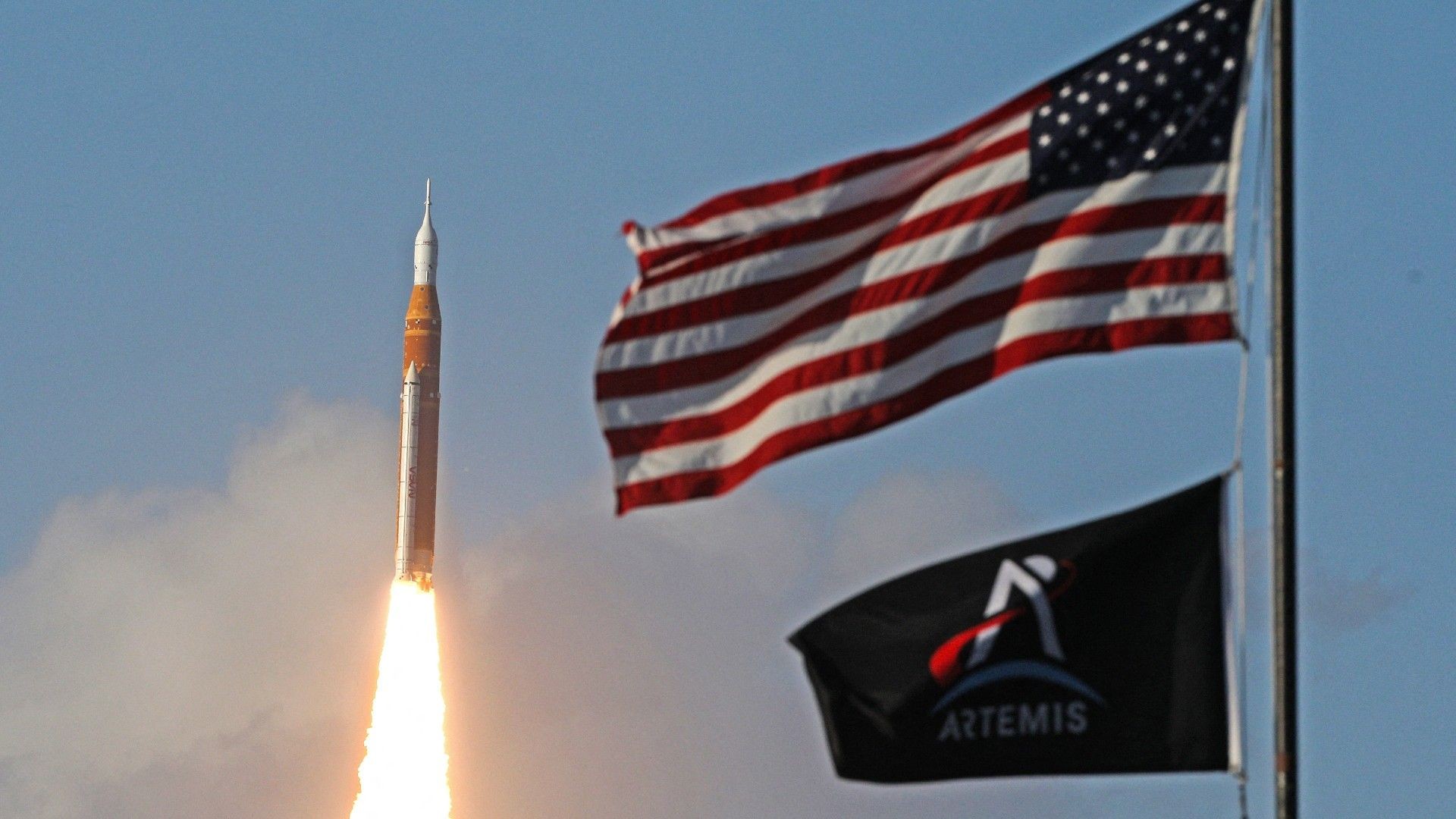
For the first time in over half a century, NASA has launched a crewed mission toward the Moon. The Artemis 2 voyage, which began on April 1st, marks a significant step forward in humanity’s renewed push for deep-space exploration. This mission isn’t just about revisiting a familiar destination; it’s about establishing a pathway for future lunar outposts and, ultimately, journeys to Mars.
A New Era of Lunar Exploration
The launch from Florida’s Kennedy Space Center sent four astronauts aboard the Orion spacecraft on a ten-day lunar flyby. While the crew won’t land on the Moon this time, Artemis 2 is a crucial test of NASA’s Space Launch System (SLS) rocket and Orion capsule – both firsts for crewed spaceflight.
The Artemis 2 crew consists of NASA astronauts Reid Wiseman (commander), Victor Glover (pilot), Christina Koch (mission specialist), and Canadian astronaut Jeremy Hansen (mission specialist). Hansen is the first Canadian to venture into deep space, while the mission as a whole represents a series of firsts: the first woman, the first Black astronaut, and the first non-American to travel to the Moon.
Beyond Firsts: The Strategic Context
This mission is more than a list of milestones. It’s a deliberate move by NASA to accelerate its lunar program, aiming for crewed landings by 2028 and a sustainable moon base by 2032. The urgency stems from growing competition with China, which also has plans to land astronauts on the Moon by 2030. As NASA Administrator Jared Isaacman stated, the goal is to reassert American leadership in space exploration.
“We will return Americans to the moon before the end of President Trump’s term. Our great competitor has said before 2030. The difference between success and failure will be measured in months, not years.”
Testing the Limits and Preparing for the Future
During the ten-day journey, the Artemis 2 crew will rigorously test Orion’s systems, including life support, waste management (yes, even the toilet), and manual flight controls. These tests are vital for ensuring the spacecraft can handle more complex missions, like docking with lunar landers in future Artemis flights.
The astronauts will also reach a record-breaking distance from Earth – 252,799 miles (406,841 kilometers) – surpassing the previous mark set by Apollo 13 in 1970. Though this is a notable achievement, NASA emphasizes that the primary focus is on gathering data and refining procedures for long-duration deep-space missions.
The Bigger Picture
Artemis 2 is not just about returning to the Moon; it’s about using it as a stepping stone for further exploration. As astronaut Christina Koch put it, the Moon holds clues about the potential for life beyond Earth.
“It’s a stepping stone to Mars, where we might have the most likelihood of finding evidence of past life… All of this starts to unlock when you go to the moon.”
The success of Artemis 2 will pave the way for more frequent lunar missions, including landings with SpaceX’s Starship and Blue Origin’s Blue Moon landers. NASA’s ambition is clear: to establish a permanent presence on the Moon and use it as a launching pad for humanity’s next giant leap.


