The annual observance of International Women’s Day (March 8th) underscores a broader issue: societal awareness of mental health disparities. While IWD aims to highlight challenges faced by women, the comparatively lesser attention given to International Men’s Day (November 19th) reveals a stubborn blind spot in how we approach men’s mental well-being.
The Silence Around Men’s Struggles
Despite progress in destigmatizing mental health in recent decades, men continue to underreport their issues. Women are statistically more likely to discuss their mental health openly, a disparity rooted in cultural expectations around masculinity. This silence isn’t merely about reluctance; it’s about systemic failure to recognize and validate male mental health conditions.
Postpartum Depression in Men: A Hidden Crisis
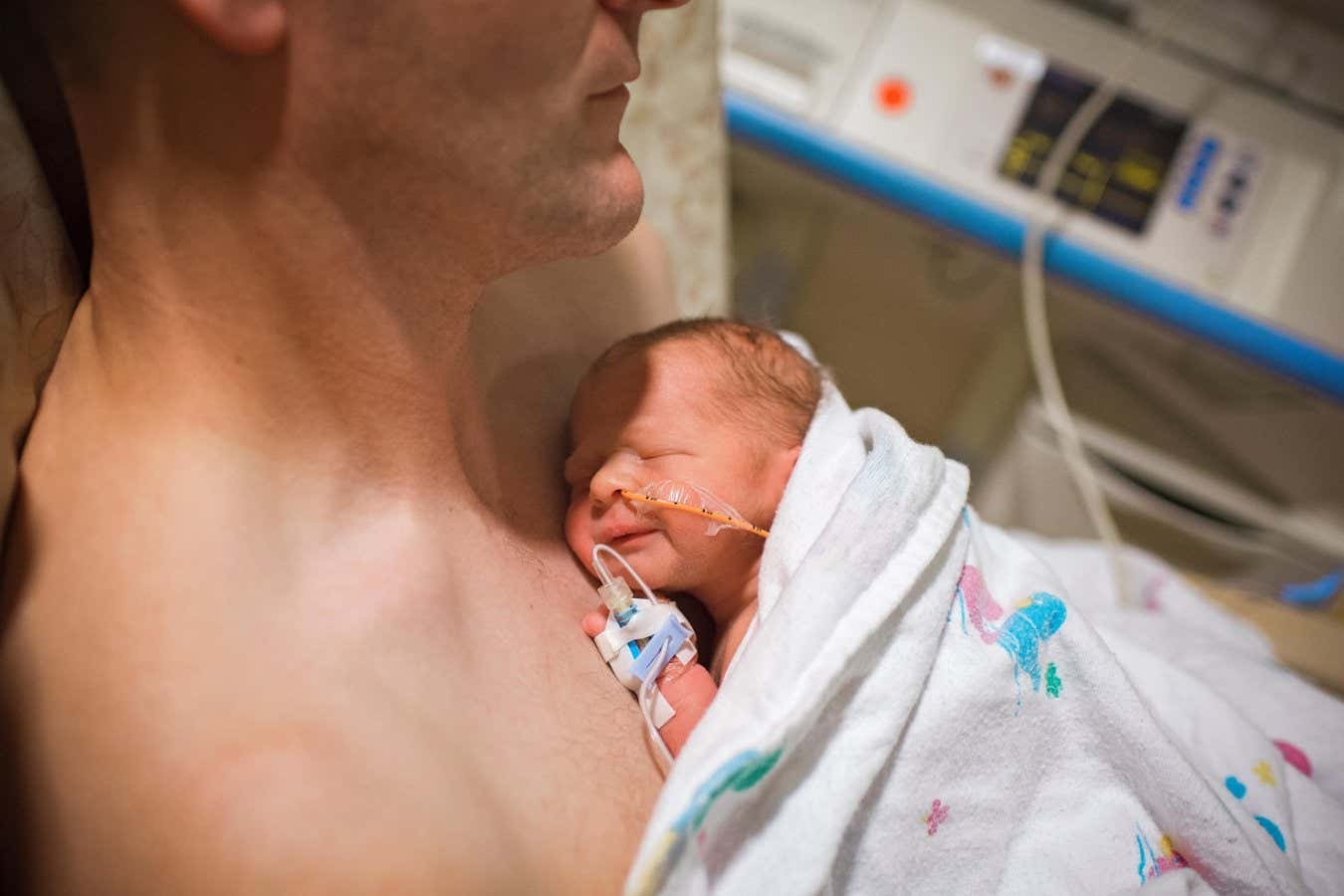
One striking example is the low awareness of postpartum depression in fathers. Nearly 40% of people don’t know men can experience this condition, a statistic that reflects outdated views of parenthood. While childbirth is rightfully recognized as transformative for mothers, fathers are often treated as secondary figures in the process. The flawed assumption that men can’t suffer because women suffer more creates a dangerous false dichotomy.
Mental health isn’t a zero-sum game. Ignoring male depression doesn’t alleviate female suffering; it leaves men isolated and untreated.
How Male Depression Differs
Male depression often manifests differently than in women, frequently presenting as withdrawal, irritability, or reckless behavior rather than overt sadness. This makes it harder to identify, even for those familiar with mental health issues. The key is recognizing that symptoms vary, and that men may not fit the stereotypical image of depression.
Moving Beyond Awareness
Raising awareness through events like International Men’s Day is a starting point, but it’s insufficient. Healthcare systems must prioritize mental health equally with physical health. This means better training for medical professionals, increased funding for mental health services, and a cultural shift toward validating men’s experiences without judgment.
Ultimately, addressing male mental health requires acknowledging that it exists, understanding how it presents differently, and ensuring that support systems are in place for all genders.