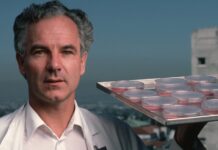
Dr. Morris Waxler, a former Food and Drug Administration (FDA) official who played a pivotal role in the initial approval of laser eye surgery (Lasik) in the United States, then later became a vocal critic of the procedure, passed away on January 2nd at the age of 88. His wife, Carolyn Zahn-Waxler, confirmed the cause of death was a stroke.
Early Career and Lasik Approval
From 1996 to 2000, Dr. Waxler led a government team responsible for establishing stringent engineering and clinical standards for laser devices intended for surgical use. In 1999, under his supervision, these devices received FDA approval, paving the way for the widespread adoption of Lasik surgery across the country. Initially, the procedure was marketed as a rapid alternative to traditional vision correction methods like glasses and contact lenses.
Shift in Stance and Concerns Over Vision Impairment
However, Dr. Waxler dramatically changed his position a decade later, publicly stating that Lasik could actually worsen a patient’s vision. This reversal came after further analysis of long-term outcomes and reported complications. His change of heart challenged the industry’s narrative and raised serious questions about the procedure’s safety and efficacy.
The shift is notable because it highlights the inherent difficulties in assessing the long-term effects of medical procedures, particularly those marketed as quick fixes. The case also underscores the importance of independent regulatory oversight and continuous reevaluation of medical technologies.
Legacy and Ongoing Debate
Dr. Waxler’s legacy remains complex. He was initially a key figure in bringing Lasik to market, only to become one of its most prominent detractors. His story serves as a reminder that medical science is not static; evolving data and patient experiences can necessitate reevaluation of established practices. The debate over Lasik’s safety and effectiveness continues to this day, with some patients reporting significant improvements while others suffer from debilitating side effects.
Dr. Waxler’s work prompted a deeper look at the risks associated with elective surgeries and the need for more transparent reporting of complications. His passing marks the end of a career spent at the intersection of scientific advancement and patient safety.