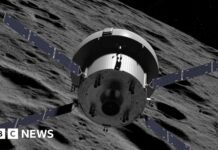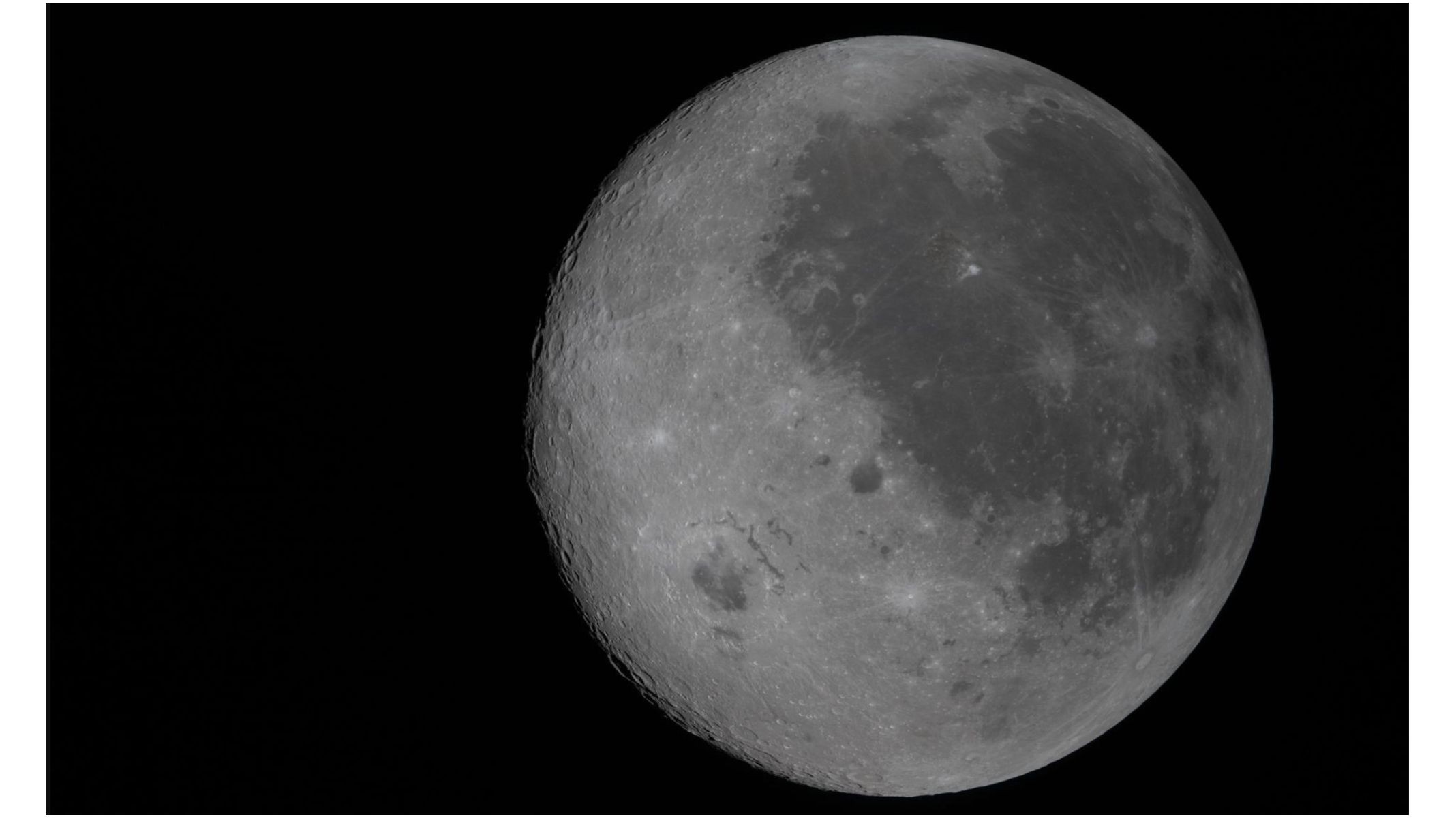
The era of deep-space human exploration has officially returned. On April 6, the Artemis 2 mission completed a historic lunar flyby, marking the first time humans have ventured beyond low Earth orbit (LEO) since the Apollo 17 mission concluded in 1972.
The crew—NASA astronauts Reid Wiseman, Victor Glover, and Christina Koch, alongside Canadian Space Agency astronaut Jeremy Hansen —aboard the Orion capsule “Integrity” did more than just observe the moon; they shattered long-standing distance records and provided scientists with a unique, human-centric perspective of our celestial neighbor.
Breaking the Apollo Record
For over five decades, the record for the farthest distance humans have traveled from Earth was held by the crew of Apollo 13, set in April 1970. During this mission, the Artemis 2 crew surpassed that mark, eventually reaching a maximum distance of approximately 252,756 miles (406,771 km).
“We, most importantly, choose this moment to challenge this generation and the next to make sure this record is not long-lived,” remarked Jeremy Hansen shortly after the milestone was achieved.
This achievement is a significant psychological and technical leap. By pushing further into deep space, NASA is proving the viability of the hardware and life-support systems required for much more ambitious goals, such as crewed missions to Mars.
A Scientific Vantage Point: The Power of the Human Eye
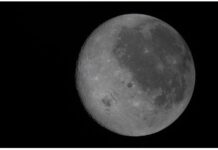
Unlike robotic probes, which rely on digital sensors, the Artemis 2 crew served as highly skilled biological observers. During their seven-hour encounter with the moon’s far side, the astronauts utilized their natural ability to discern subtle textures and color variations—nuances that even the most advanced cameras can sometimes miss.
Key scientific observations included:
– The Orientale Basin: Often called the “Grand Canyon of the moon,” this 600-mile-wide impact crater was observed in sunlight by human eyes for the first time. Commander Wiseman provided detailed descriptions of its circular geometry and tonal variations.
– Lunar Geology: The crew followed strict scientific checklists to document the lunar landscape, providing data that will assist in mapping future landing sites.
– Meteoroid Impacts: The astronauts reported witnessing at least five “impact flashes” on the darkened lunar surface, offering real-time evidence of meteoroids striking the moon.
Celestial Spectacles: A Lunar Eclipse
The mission also provided a rare opportunity to witness a total solar eclipse from a unique perspective. Because the astronauts were positioned much closer to the moon than observers on Earth, the eclipse lasted an extraordinary 53 minutes —nearly seven times longer than a typical total solar eclipse seen from our home planet.
Equipped with specialized eclipse glasses, the crew observed the sun’s corona (its outer atmosphere). These observations are vital for solar scientists attempting to understand the complex processes of our sun’s atmosphere from a vantage point far beyond Earth’s orbit.
Personal Moments Amidst the Science
Beyond the data, the mission was defined by profound human emotion. Astronaut Christina Koch described the experience as “overwhelming,” noting how the lunar landscape felt like a distinct, living body in the universe.
The crew also used the mission to honor personal legacies, requesting that an unnamed moon crater be named “Carroll” in memory of Carroll Taylor Wiseman, the wife of Commander Reid Wiseman, who passed away in 2020.
The Road to the Lunar Surface
The Artemis 2 flyby was not a destination, but a high-speed “slingshot.” Utilizing a “free return” trajectory, the Integrity capsule is currently on its way back to Earth, with a scheduled parachute-aided splashdown off the coast of San Diego on Friday, April 10.
This mission serves as the critical bridge to the next phase of NASA’s lunar ambitions:
1. Artemis 3 (Targeted for 2027): Will test docking and rendezvous capabilities in Earth orbit.
2. Artemis 4 (Targeted for late 2028): Aims to land astronauts near the lunar south pole.
3. Long-term Goal: The establishment of a permanent, sustainable lunar base.
Conclusion: The Artemis 2 mission has successfully transitioned humanity from low Earth orbit back into deep space, proving that we possess the capability to not only reach the moon but to observe and study it with unprecedented precision.