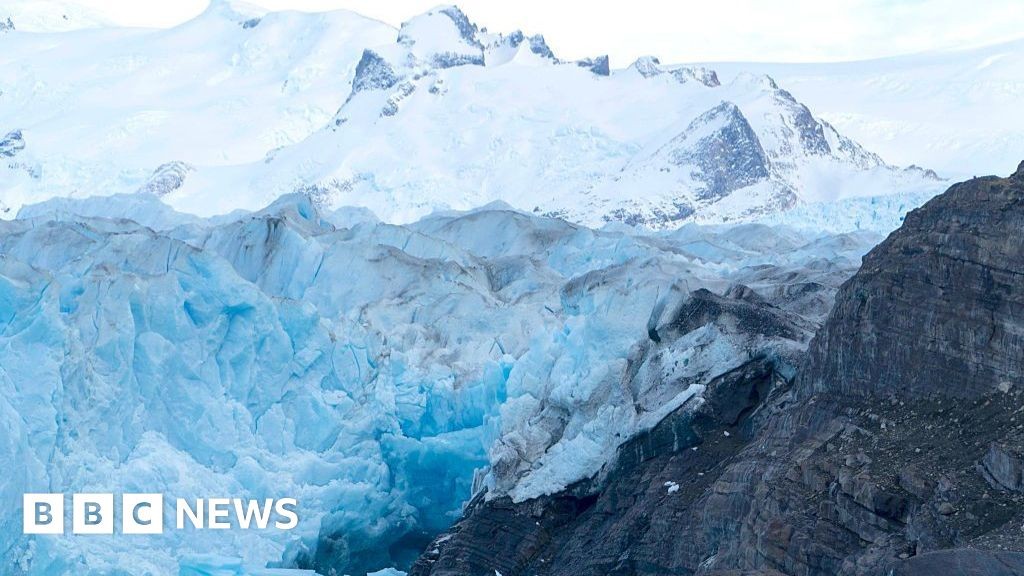
Argentina is facing a profound legislative shift that pits the country’s massive mining potential against the survival of its most vital water reserves. Recent reforms passed by Argentine MPs have loosened protections for the nation’s glaciers, sparking intense debate over whether the pursuit of mineral wealth will come at the cost of long-term water security for millions.
The Stakes: Water as a Lifeblood
For regions like Mendoza, the nation’s wine capital, glaciers are not merely landscape features; they are essential infrastructure. In these semi-arid provinces, the Andes mountains act as a natural reservoir. While seasonal snow provides much of the water, glaciers serve as a critical buffer during droughts, releasing melted ice to maintain the flow of rivers and streams.
The scale of this dependency is immense:
– Argentina is home to 16,968 glaciers.
– These ice bodies feed 36 river basins across 12 provinces.
– They provide water for seven million people, supporting everything from household consumption to large-scale agriculture.
“Without water, there would be no wine… Every drop of water counts.” — Virginia de Valle, Mendoza vineyard owner
The Legislative Shift: From National Protection to Provincial Discretion
In 2010, Argentina became a global pioneer by passing a law specifically designed to protect glaciers and “periglacial” environments (such as permafrost) from commercial exploitation. This law maintained a national inventory of all glaciers through the Argentine Institute of Snow Research, Glaciology and Environmental Sciences (Ianigla).
The new reforms fundamentally change this hierarchy:
1. Decentralized Control: Responsibility for determining a glacier’s “strategic importance” has shifted from the national government to individual provincial governments.
2. The “Strategic” Loophole: If a province decides a glacier is not “strategic” (meaning it doesn’t directly serve human consumption, biodiversity, or tourism), it can be removed from the national inventory.
3. Deregulation: Once removed from the inventory, these areas lose their environmental protections, opening them to commercial activity.
The Economic Driver: The “Green” Paradox
President Javier Milei and his administration view these reforms as a necessary step to unlock billions of dollars in investment. The government argues that the 2010 law acted as a barrier to the extraction of copper and lithium —minerals that are essential for the global transition to renewable energy.
The economic argument is driven by a desire to catch up with neighbors like Chile, which earns billions annually from mineral exports. Major global mining firms have already expressed interest in investing approximately $40 billion into Argentina’s untapped copper industry.
However, this creates what scientists call a “stark paradox” :
– To combat climate change and reduce the global carbon footprint, the world needs more copper and lithium for the energy transition.
– To get those minerals, Argentina may have to mine in the very glacial environments that are currently melting due to that same climate change.
Growing Concerns and Environmental Risks
Critics, including environmental groups like Greenpeace and various scientific bodies, warn that the reforms could trigger a “race to the bottom.”
- Regulatory Arbitrage: There is a fear that international mining companies will gravitate toward provinces with the fewest environmental restrictions, leading to widespread ecological degradation.
- Scientific Uncertainty: Glaciologists argue that the distinction between “strategic” and “non-strategic” glaciers is scientifically flawed. They contend that any glacier, by definition, contributes to the water cycle, and removing protections based on provincial whim risks the entire hydrological system.
- Public Opposition: The movement “Los glaciares no se tocan” (Hands off the glaciers) has gained significant traction, reflecting a public fear that short-term economic gains will lead to permanent water scarcity.
Conclusion: Argentina stands at a crossroads where the urgent need for mineral wealth to fuel a green energy transition directly threatens the glacial ecosystems required to sustain its people and agriculture. The outcome of this legislative shift will determine whether the country prioritizes immediate industrial growth or the long-term stability of its water resources.