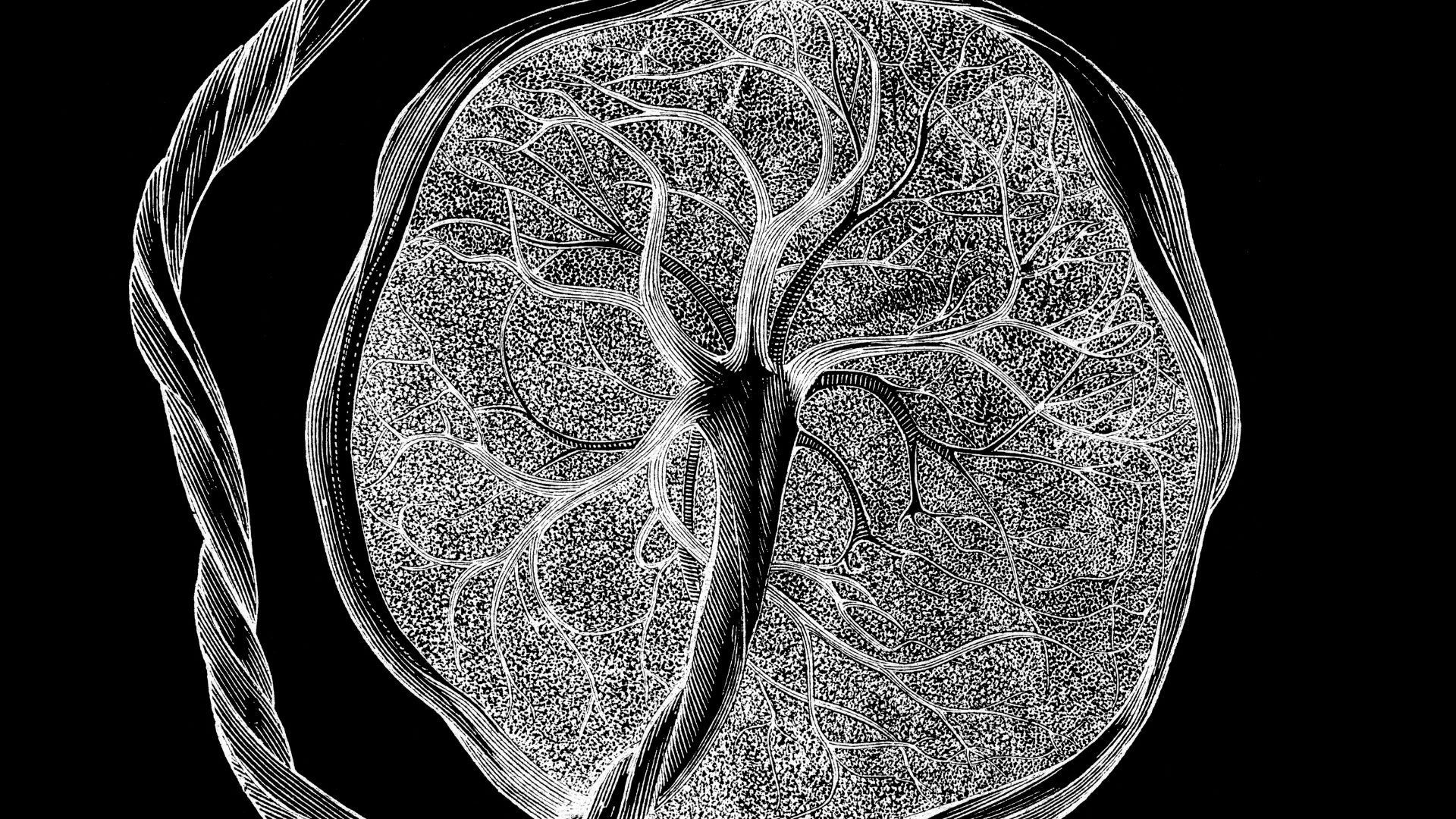
Researchers have unveiled a comprehensive “atlas” of the human placenta and uterus, providing a high-resolution map of how these tissues evolve from conception to birth. Most significantly, the study has identified a previously unknown cell type that exists exclusively during pregnancy, acting as a critical regulator of the maternal-fetal interface.
A New Player in Gestation
The discovery, led by teams at the University of California, San Francisco (UCSF) and Stanford University, reveals a subtype of cell that appears suddenly at the onset of gestation. These cells are absent from the uterus during non-pregnant states, appearing only when the uterine lining begins to transform to support an embryo.
According to lead researchers, these cells serve a vital role in connecting the placenta to the mother’s blood supply. Interestingly, they possess receptors that respond to cannabinoids —substances found both naturally in the body and in cannabis (such as THC and CBD).
Why this matters for maternal health
While researchers note that cannabinoid sensitivity is likely not the sole reason for the risks associated with cannabis use during pregnancy, this discovery provides a new biological link. It offers a potential explanation for why cannabis use is often correlated with:
– Decreased blood flow to the placenta
– Reduced oxygen delivery to the fetus
– Increased risks of preterm birth and low birth weight
The Biological “Speed Bump”
One of the most critical functions of the placenta is managing how fetal cells invade the uterine wall to establish blood flow. This process must be precise: if invasion is too shallow, it can lead to complications; if it is too deep, it can cause life-threatening conditions like placenta accreta.
The newly discovered cells appear to act as a biological “speed bump.” By sending out specific signaling proteins, they regulate the pace of cellular invasion, ensuring the connection between mother and fetus is established safely and effectively.
A Comprehensive Map of Life
Unlike previous studies that only captured “snapshots” of specific stages of pregnancy, this new atlas provides a continuous timeline. By analyzing approximately 1.2 million cells from weeks 5 through 39 of pregnancy, the researchers were able to observe the full progression of development.
The study utilized advanced techniques to look beyond just cell identity, examining:
– Gene activity: Which genes are “turned on” at specific moments.
– Protein presence: The actual tools the cells are using to function.
– Chromatin accessibility: How DNA is packaged, which determines how easily genes can be activated.
From Mapping to Medicine
By combining this cellular map with existing genetic data regarding pregnancy complications, the research team can now pinpoint exactly which cells are most vulnerable to certain genetic risks. This precision is a major step forward in moving from general observations to targeted medical interventions.
“The question is, ‘In which cell type will those high-risk variants take effect?’ This will help us to know which cells are underlying those complications and potentially develop treatments that target those cells in the future.” — Jingjing Li, Associate Professor of Neurology at UCSF
While this study focused on healthy pregnancies to establish a baseline, the next phase of research will involve comparing this “normal” map against tissues from pregnancies impacted by medical complications.
Conclusion
This new cellular atlas transforms our understanding of pregnancy from a general process into a highly regulated cellular event. By identifying the specific cells that control the maternal-fetal connection, scientists have opened a new door for treating pregnancy-related complications and understanding the biological impact of external substances.