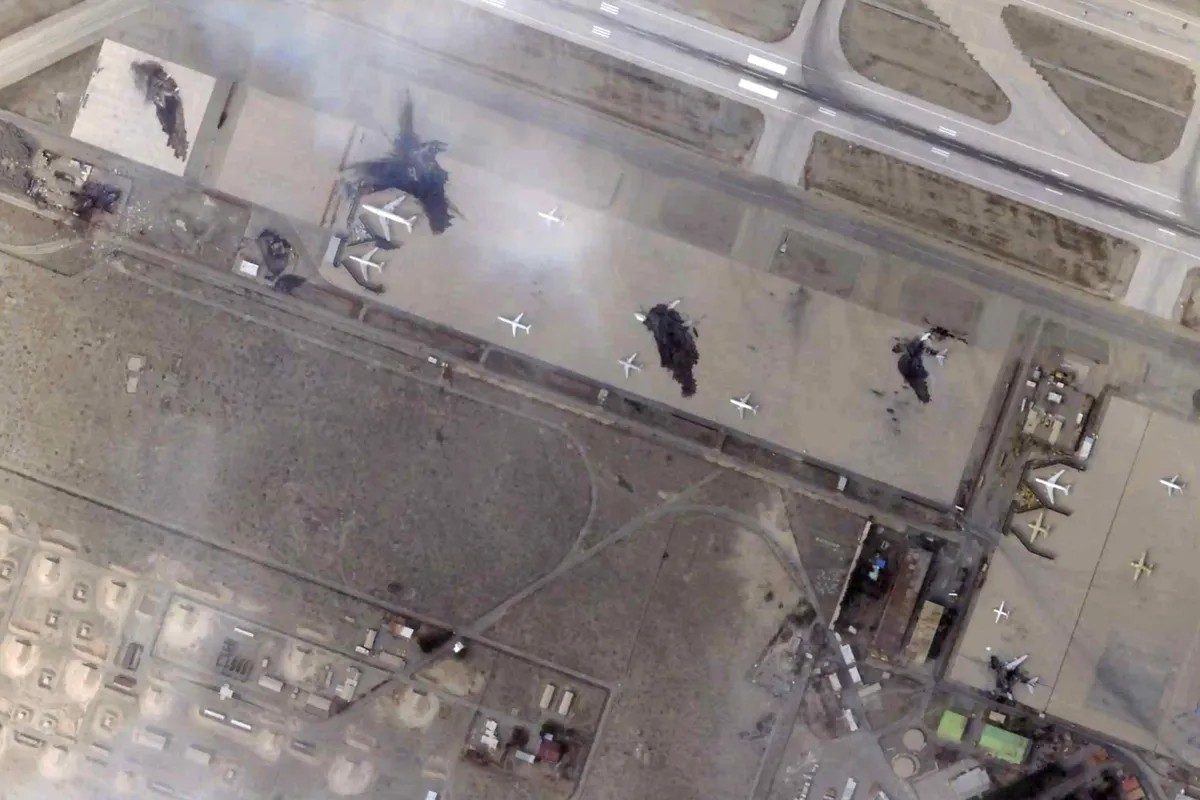
The flow of real-time information from space is facing a significant disruption. Planet Labs, a leading Earth-observation company, has announced it will indefinitely withhold satellite imagery of Iran and the broader Middle East conflict region. This decision, prompted by requests from the U.S. government, marks a pivotal shift in how commercial space data is managed during geopolitical crises.
The Decision and Its Scope
In a statement released on April 5, Planet Labs informed its customers that it is restricting access to all imagery dating back to March 9. This blackout is intended to remain in place until the current conflict—which escalated following U.S. and Israeli actions against Iran in late February—reaches an end.
While the company noted a small exception—allowing for the release of images on a “case-by-case basis” for urgent needs—the general availability of high-resolution data for this region has been halted. This follows a previous 14-day delay in imagery intended to mitigate potential attacks on U.S. allies.
Beyond the Battlefield: Why Transparency Matters
While the stated goal of such restrictions is often to prevent military intelligence from falling into the wrong hands, experts argue that the collateral damage of “information blackouts” extends far beyond the front lines.
Victoria Samson, Chief Director of Space Security and Stability at the Secure World Foundation, suggests that these restrictions may do more to obscure the truth from the public than to influence military outcomes. The impact of withholding this data is multifaceted:
- Humanitarian Oversight: Satellite imagery is vital for tracking refugee movements and assessing the scale of human displacement.
- Disaster Response: High-resolution photos are essential for identifying infrastructure damage and assisting first responders.
- Civilian Accountability: Imagery provides a way for the global public to verify the extent of damage in war zones, such as the recent strike on an Iranian school where Planet Labs’ data was instrumental in confirming the impact.
- Non-Military Sectors: Data from these satellites is frequently used for agricultural monitoring and environmental research.
A Dangerous Precedent?
Historically, certain sensitive locations—such as military bases or government facilities—have been blurred on consumer platforms like Google Maps. However, the decision to restrict an entire geographic region is unprecedented in the commercial satellite industry.
“It probably will start a precedent that I don’t think will be good for overall transparency,” warns Samson.
The move raises a critical question for the future of the “New Space” economy: Who controls the truth when private companies become the gatekeepers of planetary data? If commercial entities begin prioritizing government requests over their stated mission of “using space to help life on Earth,” the transparency that satellite technology once promised may be significantly diminished.
The Industry Ripple Effect
Planet Labs is not acting in isolation. Vantor (formerly Maxar Intelligence) has confirmed it has implemented “controls” over parts of the Middle East, though it clarified these were not prompted by a specific U.S. government request. It remains unclear how many other providers in the rapidly growing Earth-observation market will follow suit.
As more companies move toward restricting data in conflict zones, the ability of journalists, NGOs, and the general public to independently verify events on the ground is being fundamentally challenged.
Conclusion
The decision to withhold regional satellite imagery creates a tension between national security interests and the global need for transparency. By restricting access to these “eyes in the sky,” the industry risks setting a precedent that could limit humanitarian aid and public accountability in future conflicts.