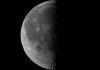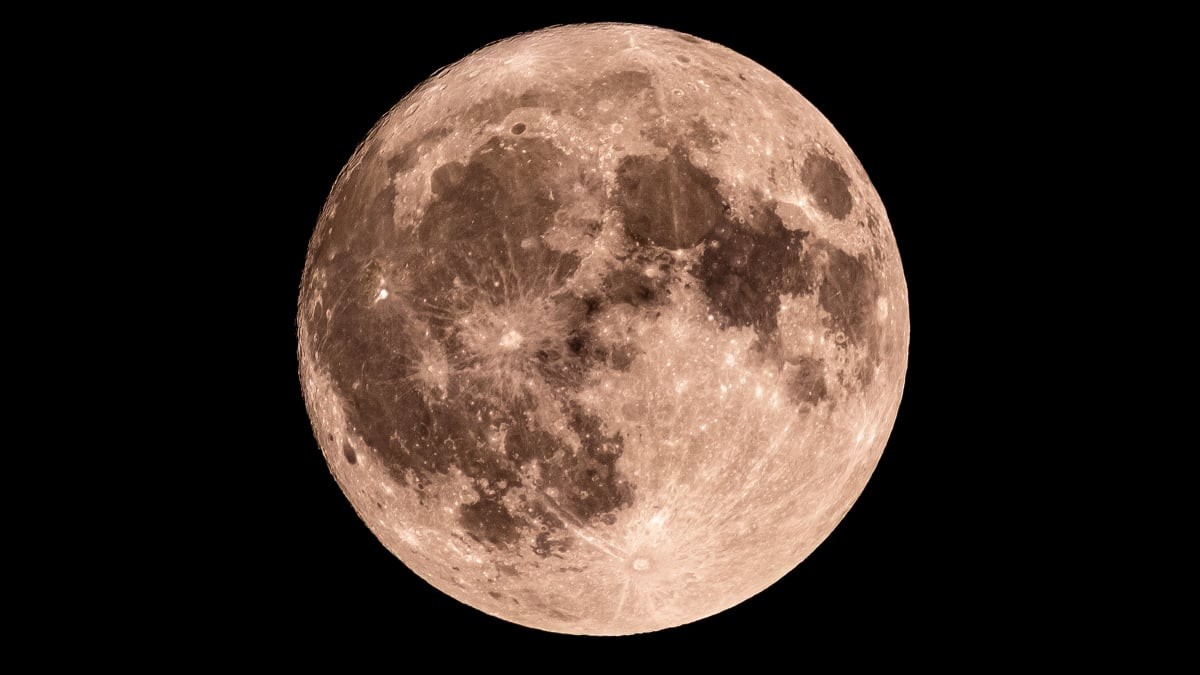
As December draws to a close, tonight’s moon will be in the Waxing Gibbous phase, meaning it’s more than half illuminated. On December 30, 2025, roughly 79% of the moon’s surface will be visible to the naked eye. This phase occurs as the moon moves between the First Quarter and Full Moon stages of its roughly 29.5-day lunar cycle.
What You Can See Tonight
Even without equipment, observers can distinguish major lunar features like the Mares Fecunditatis, Serenitatis, and Imbrium —dark, basaltic plains formed by ancient volcanic eruptions.
With binoculars, additional details come into view, including the Endymion Crater and the rugged Alps and Apennine Mountains. For those with access to a telescope, landmarks such as the Apollo 11 landing site, the Descartes Highlands, and the winding Rima Hyginus become visible. These features highlight the Moon’s diverse geological history, shaped by billions of years of impacts and volcanic activity.
Upcoming Full Moon and Lunar Cycle Explained
The next full moon is scheduled for January 3, 2026, while the previous one occurred on December 4, 2025. The lunar cycle – the time it takes for the moon to orbit Earth and complete all its phases – is approximately 29.5 days. During this cycle, the amount of sunlight hitting the lunar surface changes due to Earth’s position relative to the sun and moon.
The Eight Main Moon Phases
The moon goes through eight distinct phases:
- New Moon: The side facing Earth is dark, making the moon invisible.
- Waxing Crescent: A thin sliver of light appears on the right side (in the Northern Hemisphere).
- First Quarter: Half of the moon is lit on the right side.
- Waxing Gibbous: More than half of the moon is illuminated, but not yet full.
- Full Moon: The entire face of the moon is fully lit.
- Waning Gibbous: The moon starts to lose light on the right side.
- Third Quarter (Last Quarter): Half of the moon is lit on the left side.
- Waning Crescent: A thin sliver of light remains on the left side before disappearing again.
The consistency of this cycle, despite the Moon’s always showing the same side to Earth, is a fundamental aspect of our celestial neighbor’s behavior. This predictable pattern has been tracked by humans for millennia, influencing calendars, navigation, and cultural practices.
The moon’s phases are not merely aesthetic; they reflect the dynamic relationship between Earth, the sun, and its natural satellite.