


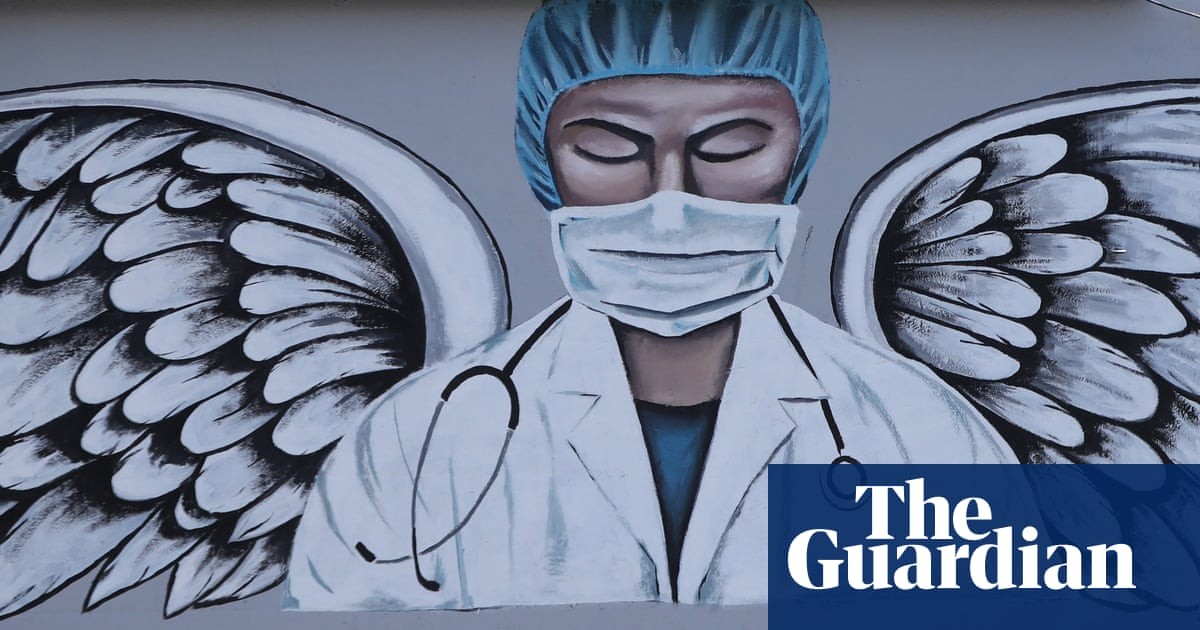
The final phase of the UK’s Covid-19 inquiry has concluded, leaving behind a stark record of the pandemic’s enduring impact. The inquiry, stretching nearly three years, moved beyond specific policy failures to examine how the crisis fundamentally altered British society. While the immediate health emergency has passed, the psychological, social, and systemic effects continue to ripple through communities. The findings reveal a “new normal” characterized by heightened mental health struggles, normalized emergency measures, and eroded trust in institutions.
The Mental Health Crisis: A Pandemic Within the Pandemic
The Covid-19 lockdowns triggered a surge in mental health issues, overwhelming already strained services. Charities like Mind saw unprecedented demand as individuals, many with no prior history, sought help amid widespread anxiety and isolation. The constant barrage of alarming news and ministerial announcements amplified fear, causing spikes in helpline calls and fueling conditions like suicide ideation, self-harm, and eating disorders. This crisis isn’t just historical; the inquiry heard that complex grief — stemming from restricted mourning and funeral practices — remains widespread, yet poorly understood.
“People’s inability to grieve or hold proper funerals has led to complex grief and post-traumatic stress disorder that we still as a nation are not really understanding.” — Dr. Sarah Hughes, CEO of Mind
The Erosion of Respect for Key Workers
The pandemic exposed a dangerous undercurrent of disrespect and aggression towards essential workers. Transport staff, shop employees, and healthcare professionals faced normalized abuse, including verbal threats and physical intimidation, as they enforced public health measures. The case of Belly Mujinga, who died after being spat at, became a symbol of this hostility. This issue didn’t disappear with the virus; the inquiry found that abuse continues, highlighting a deeper societal problem of dehumanization.
Homelessness and the “New Normal” of Temporary Housing
The “Everyone In” initiative, while initially successful in housing rough sleepers, inadvertently normalized the use of hotels and B&Bs as emergency accommodation. Experts warned that this approach, originally intended as a temporary fix, has become entrenched. The result is a system where vulnerable individuals are placed in unsuitable conditions, with untrained staff ill-equipped to handle severe mental health crises or substance abuse emergencies.
Disabled Communities Left Behind
The pandemic disproportionately impacted disabled people, who were left in a “vacuum” as social care services collapsed and fear gripped the nation. Prolonged shielding and disrupted healthcare created a climate of constant risk management, while the dismissive rhetoric around “underlying conditions” further devalued their lives. This led to extreme anxiety, with cases like a young woman resorting to self-harm with bleach due to overwhelming fear and isolation. The inquiry found that trust in healthcare and public spaces has not recovered, leaving many disabled individuals reluctant to re-engage with society.
The Covid-19 inquiry serves as a permanent record of the pandemic’s lasting wounds. The findings reveal that the crisis didn’t just test the UK’s systems; it fundamentally reshaped its social fabric, leaving behind a legacy of mental health challenges, eroded respect for essential workers, and normalized emergency measures that may persist long after the virus fades.


