New research suggests that Neanderthals were far more than just skilled toolmakers; they may have been early practitioners of medicine. A recent study reveals that the birch tar used by our ancient relatives to craft tools also possessed significant antibacterial properties, potentially serving as a primitive wound treatment nearly 200,000 years before modern antibiotics.
From Toolmaking to Healthcare
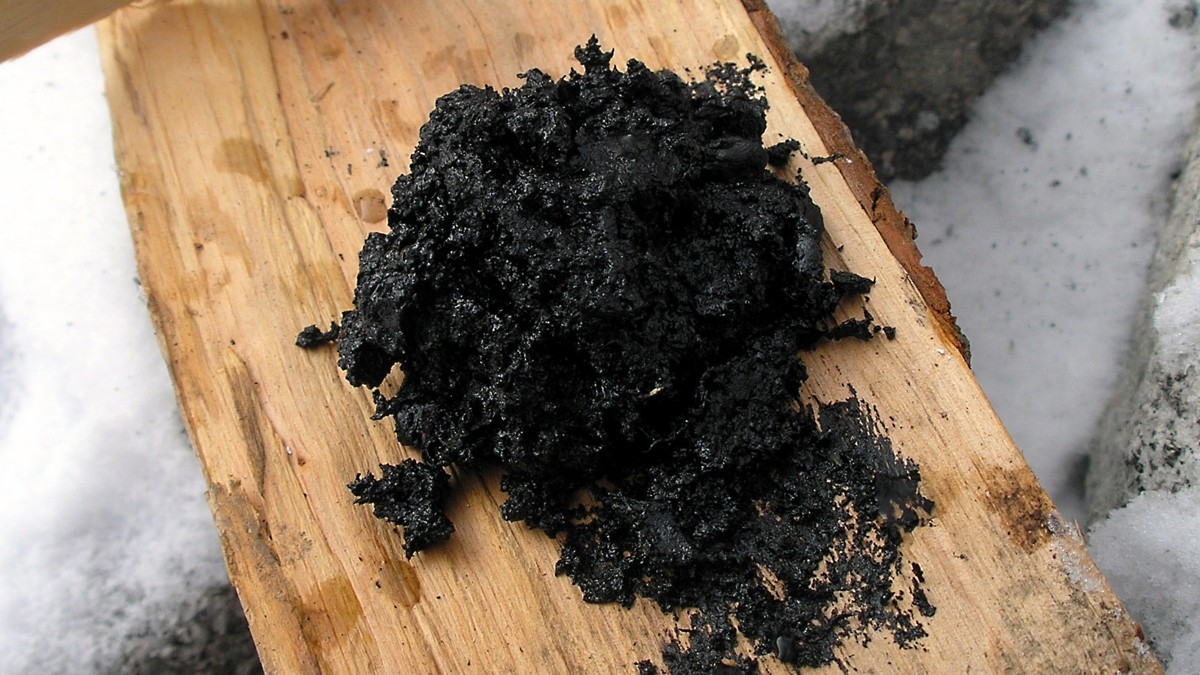
For years, archaeologists have documented the use of birch tar by Neanderthals. This viscous substance, created through the heating of birch bark, was essential for hafting —the process of gluing stone spearheads to wooden handles. While it served as a sealant and an adhesive, new evidence suggests its utility extended to the biological realm.
The study, led by researchers from the University of Cologne and Oxford University, sought to determine if this “ancient glue” had medicinal value. This inquiry follows a growing body of evidence suggesting that Neanderthals possessed a sophisticated understanding of plant-based medicine.
Recreating Prehistoric Chemistry
To test this hypothesis, scientists recreated the tar using methods consistent with the Late Pleistocene era (approximately 129,000 to 11,700 years ago). The team utilized bark from birch species documented to exist during that period and employed three distinct extraction techniques:
- Dry Distillation: Burning bark in a sealed underground pit to extract tar in the absence of oxygen.
- Surface Condensation: Burning bark near a hard stone surface and scraping off the resulting residue.
- Traditional Indigenous Methods: Heating bark in a tin, a technique inspired by the Mi’kmaq nation, who have long used birch tar in their traditional pharmacy.
Proven Antibacterial Effects
The resulting samples were subjected to biological testing at Cape Breton University to measure their effectiveness against bacteria. The results were conclusive: the tar demonstrated positive antibacterial activity against Staphylococcus aureus.
Key Findings of the Biological Tests:
- Targeted Success: The tar was effective against S. aureus, a bacterium notorious for causing skin and wound infections.
-
Limitations: The substance was not as potent as modern antibiotics like Gentamicin and showed no effectiveness against Escherichia coli (E. coli).
-
Application: Given its these results,, researchers believe the tar was likely used specifically to treat skin conditions or open wounds to prevent infection.
Why This Matters Today
While birch tar is a prehistoric substance,, its properties have modern implications. The bacteria it combats, S. aureus, is a major global health threat. It is responsible for roughly 500,000 hospitalizations annually in the United States and is increasingly capable of developing resistance to all known classes of modern antibiotics.
“Our findings show that it might be worthwhile to examine targeted antibiotics from ethnographic contexts – or, in this case, from prehistoric contexts – in greater depth.” — Tjaark Siemssen, Lead Author
This discovery highlights a potential “cyclical” nature of medical progress. As modern medicine faces the rising challenge of antibiotic-resistant superbugs, looking toward ancient, ethnographically significant substances may provide new pathways for drug discovery.
Conclusion
By proving that Neanderthals used birch tar for its antibacterial properties, this study bridges the gap between prehistoric survival and modern pharmacology, suggesting that ancient “glues” may hold the key to future medical interventions.