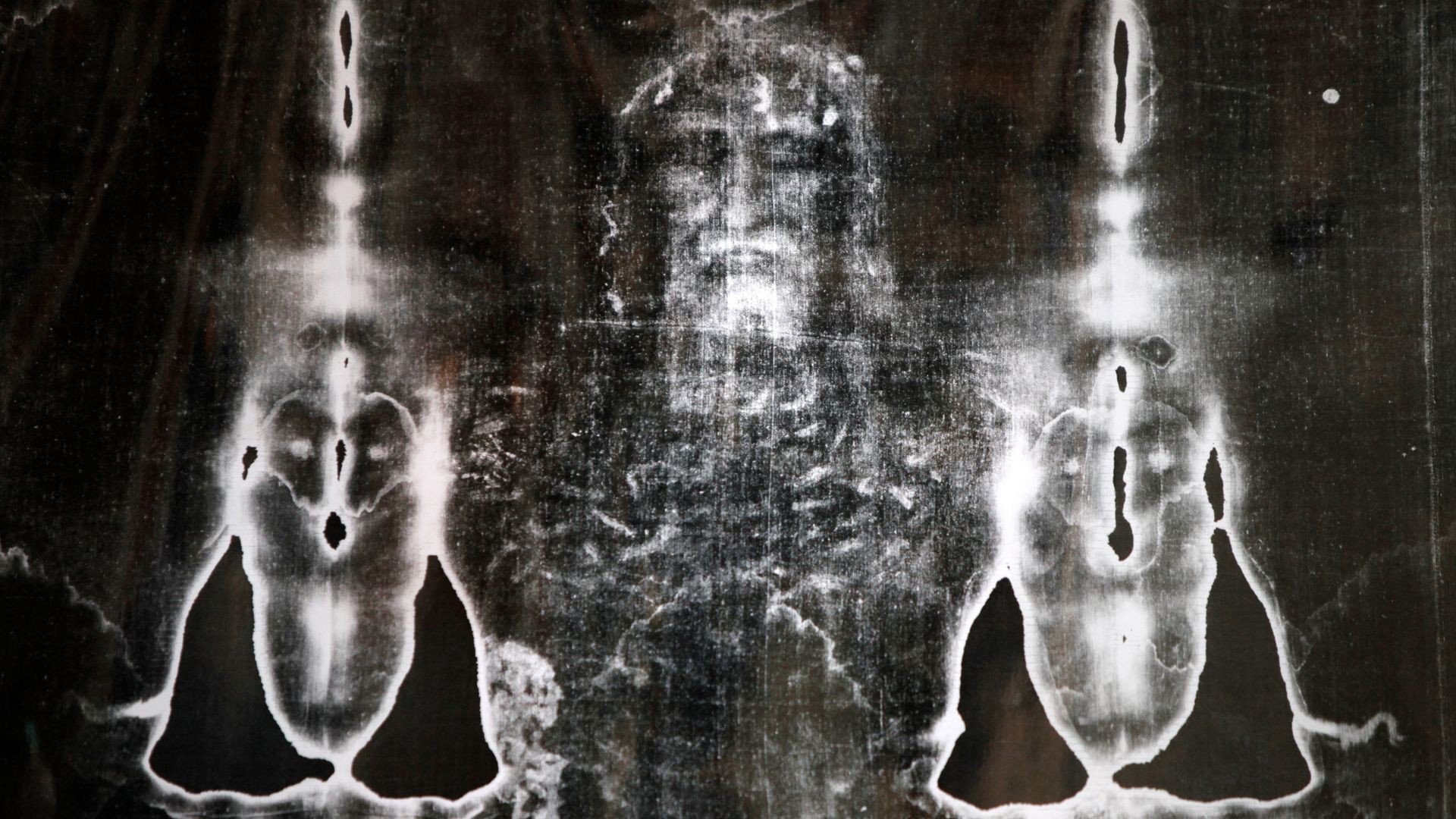
New metagenomic research into the Shroud of Turin —the controversial cloth believed by some to be the burial shroud of Jesus—has revealed a complex “biological fingerprint” consisting of DNA from dozens of different species. Rather than providing evidence of its biblical origins, the findings suggest the cloth has been heavily contaminated by environmental factors over the centuries.
A Biological Mosaic
A recent study led by Professor Gianni Barcaccia of the University of Padova utilized advanced genomic techniques to analyze samples collected from the shroud in 1978. The results show a diverse array of biological traces:
- Animals: Cats and dogs make up approximately 44% of the animal DNA, alongside traces of cattle, goats, sheep, pigs, horses, and even skin mites and ticks.
- Plants: A significant portion of the plant DNA belongs to carrots. Other traces include wheat, rye, melons, and cucumbers.
- Human DNA: The analysis identified DNA from multiple individuals, including one person who was present during the original 1978 sampling.
The “New World” Problem
The most striking aspect of the findings is not what was found, but what was found. The presence of certain plant species creates a significant chronological conflict for those claiming the shroud is an ancient relic.
The DNA analysis detected traces of tomatoes, potatoes, peppers, maize (corn), and bananas. These plants are native to the Americas and did not arrive in Europe until after the voyages of Christopher Columbus in the late 15th and 16th centuries. Furthermore, the carrot DNA resembles varieties that were specifically bred in Western Europe between the 15th and 16th centuries.
“This diversity of animal and plant species highlights significant environmental contamination that likely occurred in recent centuries,” Barcaccia noted.
Missing Context: The Levant vs. Europe
If the shroud were truly a relic from the Levant (the region of ancient Israel), researchers expected to see biological markers consistent with that environment. Instead, there is a notable absence of species traditionally associated with the biblical era and the Middle East, such as:
* Olives and dates
* Pomegranates
* Camels
* Myrrh and aloes
Instead, the presence of Mediterranean red coral suggests the cloth may have been in contact with religious objects, such as coral rosaries or crucifixes, rather than being present in ancient Palestine.
Why the Findings Support the “Medieval Fake” Theory
While some scholars continue to argue for the shroud’s authenticity, the scientific community largely views these results as reinforcing the theory that the cloth is a medieval creation. Several key pieces of evidence converge on this conclusion:
-
Carbon Dating: A 1989 analysis placed the cloth’s origin between 1260 and 1390, firmly in the Middle Ages.
-
Textile Technology: The shroud’s weave requires a four-shaft loom,, a technology that did not exist in Europe or the Levant 2,000 years ago.
- Environmental Contamination: Experts suggest the diverse DNA—from market vegetables to dust—likely accumulated during centuries of public exhibitions in European cities like Turin.
The Indian Connection Debate
A point of ongoing contention is the discovery that nearly 40% of the human DNA suggests Indian lineages. Some researchers argue this could mean the yarn was manufactured in India. However, skeptics point out that human DNA can be transferred easily through touch, and the presence of various people’s DNA is expected given the shroud’s long history of being handled by clergy, scholars, and tourists.
Conclusion
The latest DNA analysis of the Shroud of Turin reveals a biological profile dominated by European and “New World” species, providing further scientific weight to the argument that the cloth is a medieval artifact rather than an ancient relic.