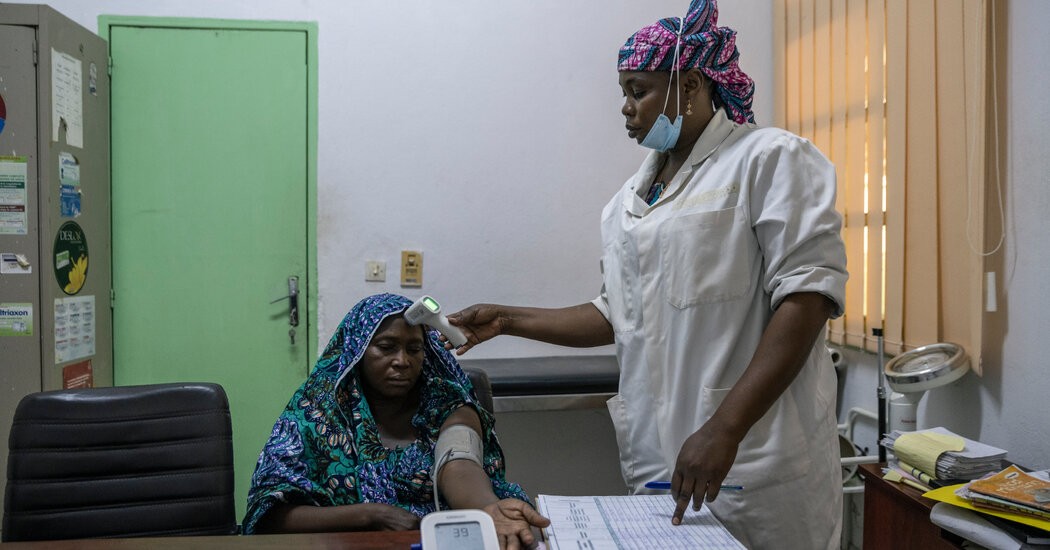
Across Africa, a new health crisis is emerging: diabetes. Historically focused on infectious diseases like malaria and HIV, healthcare systems are now facing a surge in noncommunicable illnesses, with diabetes posing an equivalent threat to life. The situation is particularly acute in countries like Cameroon, where access to specialized care is scarce, and awareness is low.
The Undiagnosed Epidemic
In northern Cameroon, Dr. Paulette Djeugoue runs one of the few diabetes clinics serving a vast rural region. Patients arrive before dawn, some traveling from neighboring Nigeria and Chad, to seek treatment. The reality is that roughly 75% of people with diabetes in Cameroon are unaware of their condition, a figure that rises even higher in remote areas. This lack of awareness is compounded by limited screening programs and a healthcare infrastructure geared toward infectious diseases.
The shift is alarming: for the first time, Africans face similar mortality risks from chronic illnesses like diabetes as they do from traditionally feared infectious diseases. This trend is driven by changing lifestyles, aging populations, and improved survival rates from previously deadly infections, leaving more people vulnerable to diabetes’ long-term effects.
A System Built for Different Battles
For decades, African healthcare systems have been designed to fight epidemics. Funding, personnel, and training have all prioritized infectious disease control, resulting in significant progress against HIV, tuberculosis, and malaria. However, diabetes requires a different approach : early detection, lifestyle management, and long-term care—resources that have historically been underfunded.
The numbers are staggering: an estimated 54 million people in Africa now live with diabetes, and the disease can lead to blindness, amputations, and death. Efforts are underway to integrate diabetes screening into primary care, but the challenge lies in retraining healthcare workers and securing sustainable funding for chronic disease management.
The Future of African Healthcare
The rise of diabetes in Africa signals a fundamental shift in public health priorities. Healthcare systems must adapt to address the growing burden of noncommunicable diseases, investing in prevention, early detection, and long-term care. Without this change, millions will continue to suffer in silence, unaware of the silent epidemic claiming lives across the continent.