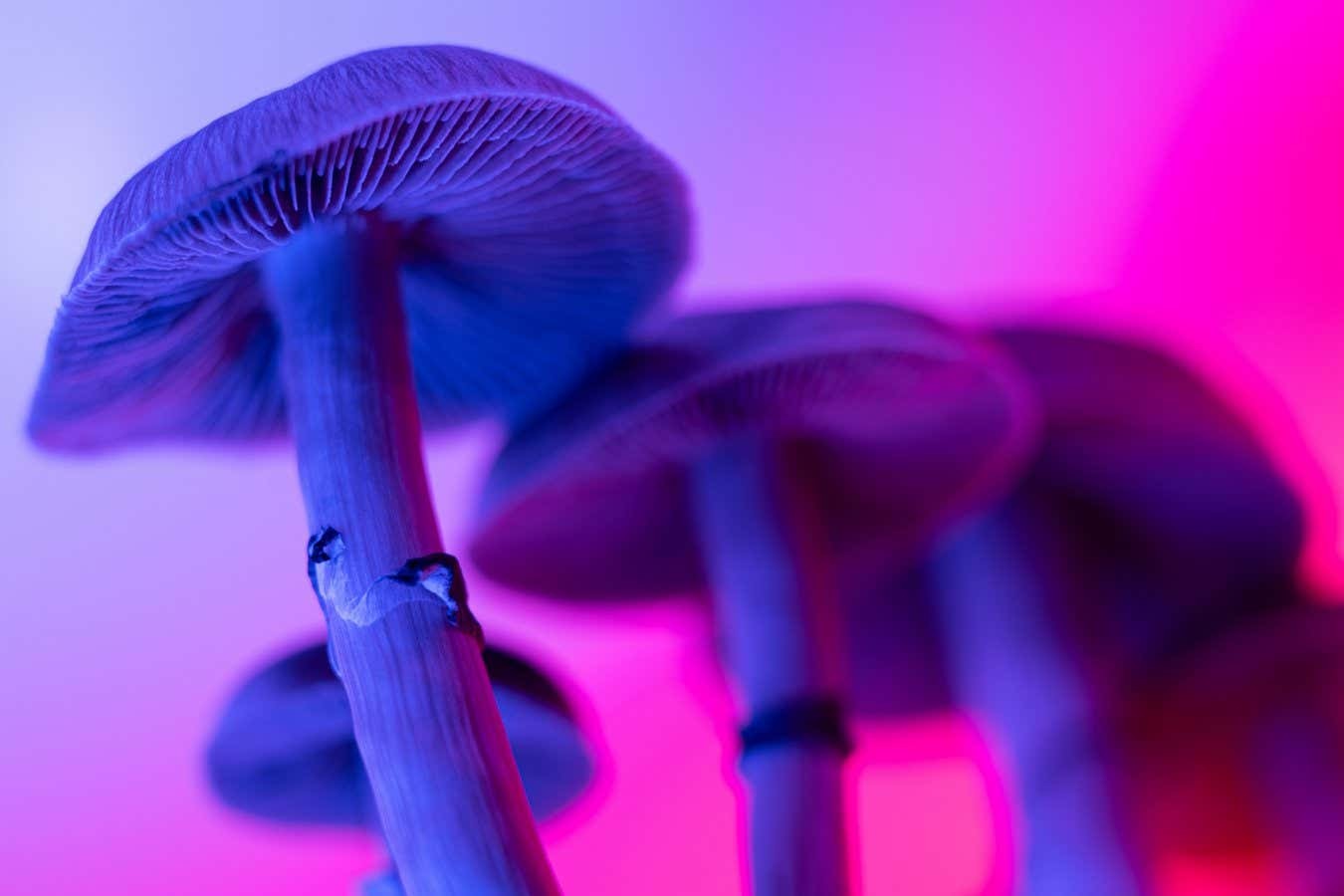
For millennia, magic mushrooms have been known for their potent psychological effects on humans. Now, new research suggests that these hallucinogenic compounds—particularly psilocybin—may have evolved not for human consumption, but as a defensive chemical weapon against insects. This finding reshapes our understanding of why fungi produce these mind-altering substances, moving beyond recreational or spiritual use toward a fundamental ecological role.
The Insecticidal Hypothesis
Researchers at the University of Plymouth investigated whether psilocybin acts as a deterrent to insects that feed on fungi. The central question was simple: if insects avoid mushrooms containing psilocybin, it could explain why these compounds evolved in the first place. The team tested this by feeding fruit fly larvae a diet laced with powdered magic mushrooms (Psilocybe cubensis ).
The results were striking. Larvae consuming even low doses of psilocybin had a significantly reduced survival rate—over half failing to reach adulthood. At higher concentrations, survival dropped to just 25%. Those that did survive exhibited clear developmental defects: smaller body sizes, asymmetrical wings, and uncoordinated movement. The insects were measurably slower and less capable of navigating, suggesting psilocybin disrupts their nervous systems.
Beyond Human Effects
It’s crucial to note that insects aren’t experiencing the same psychedelic effects as humans. Instead, psilocybin interferes with basic insect physiology in ways that are harmful, not hallucinatory. This highlights a critical distinction: evolution doesn’t prioritize human experiences, but rather survival and reproduction.
Further evidence supports the defensive role of psilocybin. Analysis of mushroom samples collected from Dartmoor, UK, revealed that psilocybin-producing fungi hosted a different community of insects compared to non-psychedelic species. This suggests that the presence of psilocybin shapes the fungal ecosystem by deterring certain pests.
Complicating Factors and Future Research
The study also revealed intriguing complexities. Fruit flies with reduced serotonin receptors—the same receptors psilocybin binds to in humans—actually suffered worse effects from the compound. This suggests that psilocybin may interact with insect neurology in unexpected ways.
The researchers acknowledge that other defense mechanisms could also be at play. Psilocybin might deter slugs and snails, or even manipulate invertebrates to assist in spore dispersal. Fabrizio Alberti at the University of Warwick notes that even non-psilocybin-producing mushrooms contain compounds that harm insect development, suggesting broader chemical defenses within the fungal kingdom.
The Evolutionary Puzzle
The study underscores the challenges of understanding the evolution of psychedelic fungi. Bernhard Rupp at the University of Innsbruck emphasizes that multiple benefits could drive the production of psilocybin and other exotic compounds, including deterring consumption by invertebrates.
Ultimately, this research presents a compelling case that magic mushrooms evolved, at least in part, as a chemical defense against insects. The implications extend beyond pharmacology, offering new insight into the complex ecological pressures that shaped fungal evolution.