Austrian glaciers are not simply shrinking, they are actively disintegrating due to accelerating climate change, according to new data from the Austrian Alpine Club. The latest annual report shows a dramatic loss of glacial mass across the country, with 94 out of 96 monitored glaciers having shrunk over the past year.
Unprecedented Structural Collapse
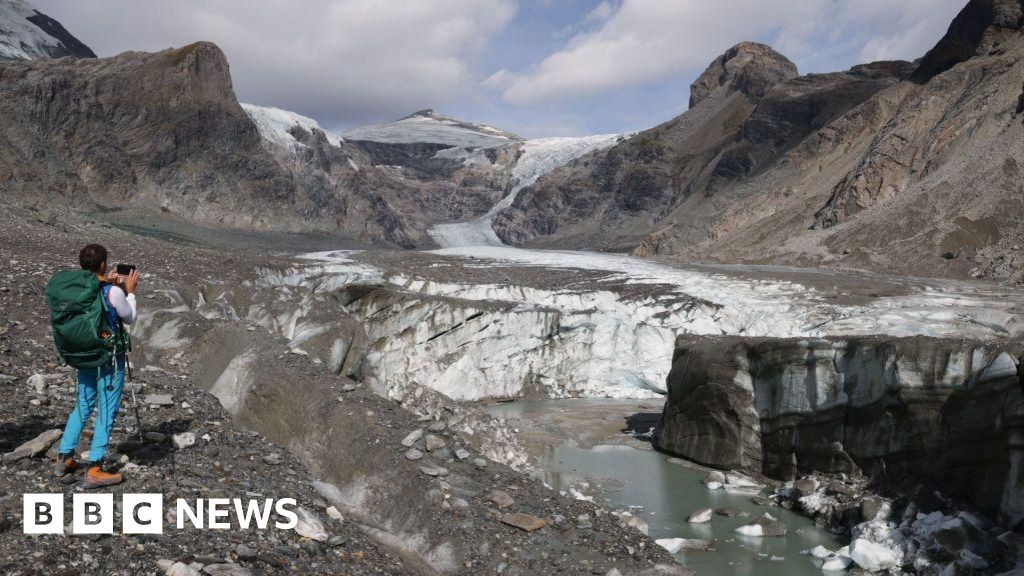
Scientists report that many glaciers are entering a phase of structural collapse, characterized by exposed rock, breaking ice sections, and collapsing glacier tongues. This isn’t just about retreating ice; it’s about the physical breakdown of these massive ice formations. The Alpeiner Ferner glacier in Tyrol experienced the largest loss, shrinking by over 114 meters, while the Stubacher Sonnblickkees in Salzburg lost nearly 104 meters.
Largest Glacier at Risk of Splitting
Austria’s largest glacier, the Pasterze in Carinthia, is projected to break apart in the coming years, splitting into two separate glaciers. This collapse is symptomatic of broader trends: high-altitude temperatures are now 2°C (3.6°F) above long-term averages, driven by exceptionally warm winters and summers, with June temperatures reaching nearly 5°C above average.
Irreversible Trends
The rate of glacial loss has reached a point where even short-term cooling periods have minimal impact. Glaciers are now losing mass so quickly that they no longer respond effectively to temporary drops in temperature. This means the disintegration trend is likely irreversible without drastic climate action.
Wider Consequences
The disappearance of glaciers poses risks to alpine infrastructure and is fundamentally reshaping the landscape. As glaciers vanish, the natural environment undergoes profound changes, with long-term ecological and economic consequences. The Austrian Alpine Club emphasizes that climate change isn’t a future threat; it is an ongoing reality with immediate consequences.
“Climate change has long been a reality in the Alps, and we are experiencing its consequences… right now,” said Nicole Slupetzky, Vice-President of the Austrian Alpine Club.
The disintegration of Austrian glaciers is a stark warning of the accelerating impact of climate change on fragile alpine environments. These changes aren’t just environmental; they represent a fundamental shift in the landscape and the future of the region.