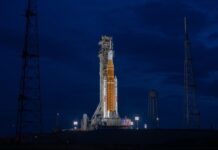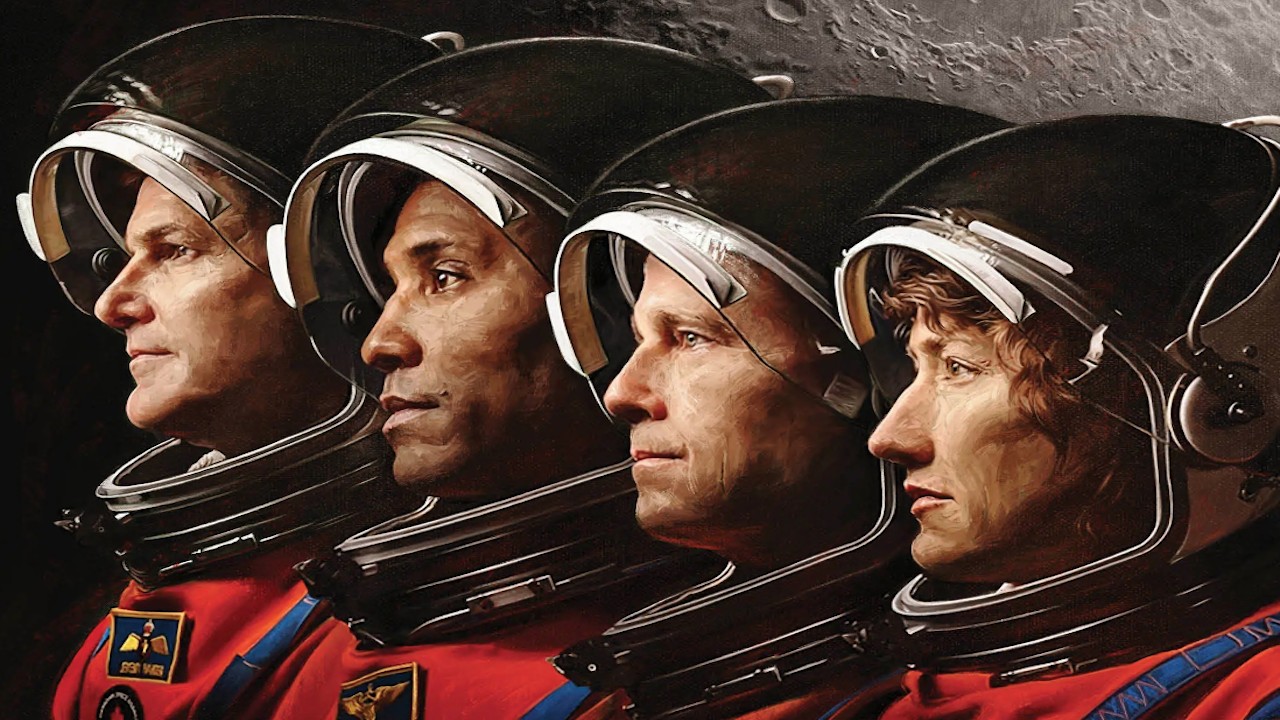
NASA’s Artemis 2 mission, scheduled for launch as early as February 8th, is poised to send four astronauts on a 10-day lunar flyby – a journey that will push the boundaries of human space travel further than ever before. The mission, featuring astronauts Reid Wiseman, Jeremy Hansen, Victor Glover, and Christina Koch, is already being celebrated with a special commemorative cover issue from Time magazine, hitting stands January 30th.
A New Era of Lunar Exploration
The Artemis 2 mission isn’t just another space flight; it represents a significant step forward in lunar exploration. The Orion spacecraft, propelled by the SLS rocket, will carry the crew 4,700 miles beyond the far side of the moon – exceeding the previous record of 158 miles set by Apollo 13. This is the farthest humans have ever traveled into deep space, and it marks a pivotal moment in the resurgence of lunar ambitions.
The mission’s context is crucial: it’s been over half a century since humans last ventured near the moon. The renewed focus on lunar travel isn’t merely scientific; it’s also geopolitical. NASA Administrator Jared Isaacman has stated the Artemis program aims to maintain American leadership in space, with plans to establish a lunar base before 2028. This ambition is driven by a growing space race, notably with China, as both nations compete for dominance in lunar exploration.
Echoes of Apollo: A Return to Inspiration
Time ’s special issue draws parallels between Artemis 2 and the historic Apollo 8 mission of 1968. Apollo 8 was the first crewed flight to orbit the moon, a high-stakes endeavor that paved the way for the Apollo 11 landing. The success of Apollo 8 was vital; its failure would have likely crippled the entire program.
Jeffrey Kluger, in his feature “Back to the Moon,” highlights this connection, noting that both missions arrive at times when humanity could use a unifying moment. The Apollo program, and now Artemis, offer a shared sense of wonder and achievement that transcends national borders.
“A return to the lunar neighborhood will not only represent a significant edge in any space race that does exist with China, but also offer a kind of public uplift that spaceflight has uniquely been able to provide.”
Beyond Science: A Moment for Humanity
The Artemis 2 mission isn’t just about breaking records. It’s about reigniting a sense of collective purpose and demonstrating what humanity can achieve when it sets its sights on ambitious goals. As Kluger writes, the mission could offer the same kind of “magic” that Apollo 8 provided in 1968, a moment of shared hope in a turbulent world.
The launch of Artemis 2 will add four new names to the history of space exploration, representing not just a crew but an emissary for the billions who remain earthbound. The mission is poised to become a global drama, a global triumph, and a global joy—much like the Apollo missions before it.